

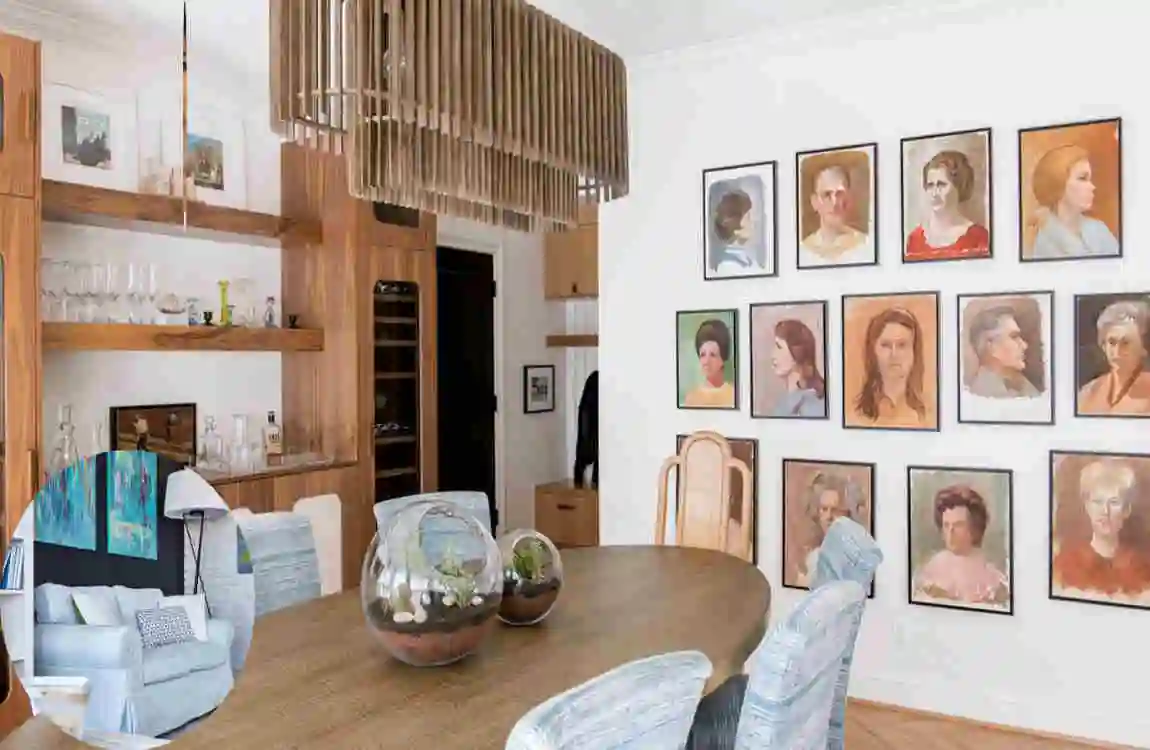
Curating art in your home is more than just hanging pictures on empty walls. It is about creating a meaningful visual story that reflects your personality, emotions, and lifestyle. When you carefully select and arrange artwork, you transform your home into a personal gallery filled with character and warmth.
In modern interior design, art is no longer treated as an afterthought. Instead, it has become a central element that defines the mood and identity of a space. Whether it is a bold abstract painting, a calm landscape, or a personal photograph, each piece contributes to the overall atmosphere of your home.
What Does It Mean to Curate Art in Your Home?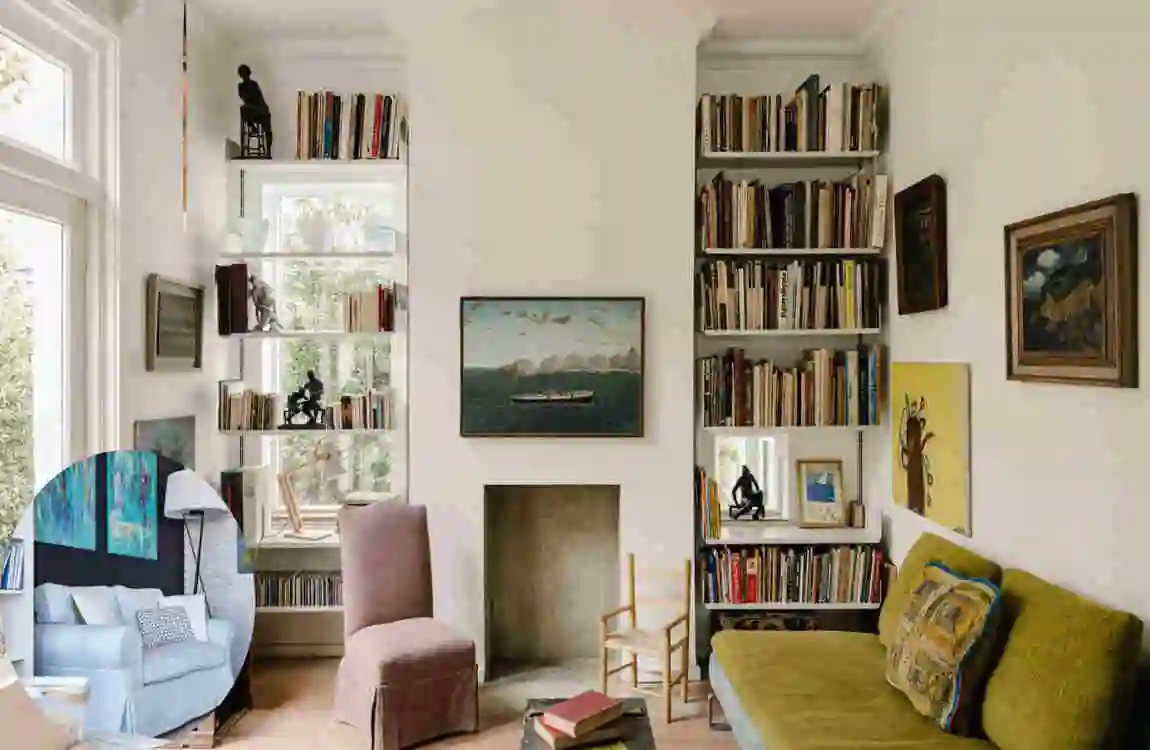
Curating art means thoughtfully selecting, organizing, and displaying artwork to create meaning and visual harmony. It is not just decoration—it is storytelling through visuals.
Difference Between Decorating and Curating Art
Decorating and curating may seem similar, but they are very different approaches.
Decorating usually focuses on filling empty spaces with visually appealing objects. The goal is visual appeal without necessarily having a deeper connection between items.
Curating, on the other hand, is intentional. It focuses on selecting pieces that work together to tell a story or reflect a theme. Each artwork is chosen with purpose.
For example:
- Decorating: Hanging random paintings because the wall looks empty
- Curating: Selecting artwork that reflects travel memories, emotions, or a design theme
When you curate art, your home becomes a reflection of your identity rather than just a styled space.
Why Art Curation Matters in Interior Design
Art curation plays a major role in interior design because it brings life and meaning into a space. Without art, rooms often feel incomplete or sterile.
Good curation helps to:
- Create visual harmony between furniture and décor
- Add depth and personality to plain walls
- Build a strong emotional narrative throughout your home
A well-curated space feels intentional and balanced, making it more inviting and comfortable.
Key Elements of Art Curation
To successfully curate art, you need to focus on a few essential elements:
- Theme: A consistent idea or concept across artworks
- Color harmony: Matching or balancing tones with your interiors
- Placement: Strategic positioning for visual flow
- Emotional value: Personal connection with each piece
These elements work together to create a cohesive and meaningful environment.
Define Your Personal Art Style
Before choosing artwork, you must understand your personal taste. This step helps you avoid random selections and builds a clear direction.
Identify Your Aesthetic Preferences
Start by exploring different art styles and noticing what attracts you the most:
- Minimalist: Clean lines, simple compositions
- Modern: Abstract forms, bold expressions
- Classic: Traditional paintings, detailed artwork
- Bohemian: Eclectic, colorful, free-spirited designs
- Abstract: Shapes, colors, and emotional expression
Ask yourself: What kind of art makes you feel comfortable or inspired?
Analyze Your Home Interior Style
Your art should complement your home’s existing design. Look at:
- Furniture style (modern, vintage, rustic)
- Wall colors (neutral, bold, pastel)
- Lighting design (warm, natural, dramatic)
For example, modern furniture pairs well with abstract or minimalist art, while wooden interiors match well with nature-inspired pieces.
Find Inspiration Sources
If you are unsure about your style, gather inspiration from:
- Pinterest boards
- Art galleries and exhibitions
- Social media platforms
- Travel experiences and memories
Over time, patterns will emerge that reveal your natural preferences.
Choose Meaningful Artwork
Art should not only look good—it should feel meaningful.
Invest in Art That Tells a Story
Choose artwork that connects with your emotions or memories. This could include:
- Travel-inspired pieces
- Family photographs
- Cultural or traditional artwork
- Personal experiences captured visually
Meaningful art creates a deeper emotional connection with your space.
Types of Art You Can Use
You are not limited to paintings. You can explore:
- Paintings
- Photography
- Digital prints
- Sculptures
- Handmade crafts
Mixing different types adds depth and variety to your interiors.
Mix High-End and Affordable Art
You do not need expensive gallery pieces to curate beautifully.
A balanced collection may include:
- High-end original artworks
- Affordable prints
- Local artist creations
- DIY art projects
This mix creates authenticity and personality.
Understand Color Coordination
Color is one of the most powerful tools in art curation.
Matching Art with Room Colors
When selecting art, consider how it interacts with your room:
- Complementary colors for harmony
- Neutral tones for balance
- Bold colors for focal points
A well-matched color scheme creates visual comfort.
Using Color Psychology in Art
Colors influence emotions:
- Blue: Calm and peaceful
- Red: Energy and passion
- Green: Freshness and balance
Creating Visual Flow Across Rooms
Your home should feel connected. Maintain:
- Consistent tones across rooms
- Gradual transitions in color intensity
- Repeating accent colors for unity
Master the Art of Placement
Placement determines how your artwork is experienced.
Wall Height and Positioning Rules
Follow the eye-level rule:
- The center of the artwork should be at eye level
- Avoid hanging too high or too low
- Align with furniture for balance
Gallery Wall Arrangement Techniques
Popular styles include:
- Grid style (structured and clean)
- Salon style (dense and artistic)
- Asymmetrical layout (modern and creative)
Using Focal Points in Rooms
Strong focal points include:
- Above the sofa
- Bedroom headboard wall
- Entryway feature wall
These areas naturally draw attention.
Avoiding Common Placement Mistakes
Avoid:
- Overcrowding walls
- Random spacing
- Ignoring room proportions
Balance Art with Furniture and Space
Proportion and Scale
Match artwork size with wall size:
- Large walls = large art pieces
- Small rooms = smaller or fewer pieces
Visual Weight Distribution
Balance is key:
- Symmetrical layouts feel formal
- Asymmetrical layouts feel dynamic
Negative Space Importance
Space is not wasted—it highlights art and prevents visual clutter.
Mix Different Art Styles for Depth
Combining Modern and Traditional Art
Mixing styles creates contrast and interest.
Mixing Mediums
Combine:
- Canvas paintings
- Photography
- Sculptures
Avoiding Visual Chaos
Stick to:
- A unified color palette
- Limited styles per room
Curate Art Room by Room
Living Room Art Ideas
- Large statement pieces
- Bold conversation starters
- Centered focal artwork
Bedroom Art Styling
- Calm landscapes
- Soft tones
- Personal meaningful pieces
Kitchen and Dining Area Art
- Food-themed prints
- Minimal, clean designs
Hallways and Entryways
- Gallery-style storytelling walls
- Chronological photo arrangements
Lighting and Framing Considerations
Importance of Proper Lighting
Lighting enhances artwork visibility:
- Natural light for softness
- Spotlights for emphasis
Choosing the Right Frames
Frame styles include:
- Wood frames for warmth
- Metal frames for a modern look
- Frameless designs for minimalism
Protecting and Preserving Art
Use:
- UV-protective glass
- Moisture-free environments
Common Mistakes to Avoid
- Overcrowding walls
- Ignoring room scale
- No clear theme
- Poor lighting choices
- Budget-Friendly Art Curation Tips
DIY Art Ideas
Create your own artwork using simple materials.
Buying from Local Artists
Support local talent for unique pieces.
Digital Prints and Downloads
Affordable and flexible art options.
Thrift Store Art Finds
Hidden gems at low cost.
FAQs – How to Curate Art in Your Home?
How do I start curating art at home?
Start by identifying your style and choosing a focal point.
Can I mix different art styles in one room?
Yes, but maintain color harmony.
Where should I hang artwork in my home?
At eye level in key areas like living rooms and bedrooms.
Do expensive artworks make a difference?
Not necessarily—meaning and placement matter more.
How many artworks should be in one room?
It depends on the size of the space; avoid overcrowding.
| Step | What You Should Do | Simple Explanation |
|---|---|---|
| 1. Define Your Style | Choose your theme (modern, classic, minimal, boho) | Helps create a consistent and balanced look in your home |
| 2. Pick a Focal Point | Select a main wall or area | This is where your most important artwork should stand out |
| 3. Mix Sizes & Shapes | Combine large, medium, and small art pieces | Adds depth and visual interest instead of a flat look |
| 4. Use Proper Spacing | Keep equal gaps between frames | Prevents overcrowding and keeps the display clean |
| 5. Match Colors Wisely | Coordinate art colors with room decor | Creates harmony between furniture and artwork |
| 6. Layer Your Art | Use shelves or overlapping frames | Gives a modern, styled gallery feel |
| 7. Rotate Pieces | Change artwork occasionally | Keeps your space fresh and updated over time |
| 8. Add Personal Touch | Include personal photos or handmade art | Makes your home feel unique and meaningful |
