

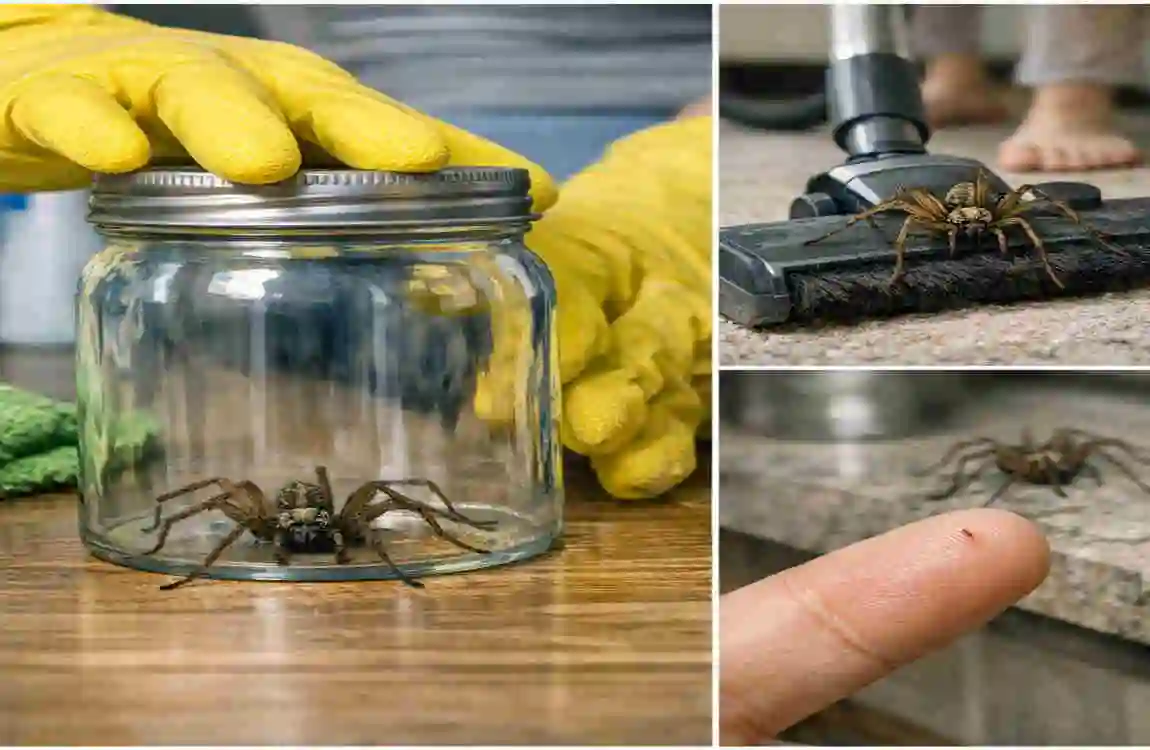
If you have ever found yourself in this exact situation, you are not alone. It is completely normal to feel a sudden rush of fear when you spot a giant eight-legged intruder while doing your daily chores. This leads many homeowners to ask a very specific and urgent question: are big house spiders cleaning dangerous?
These spiders actually thrive in our homes, quietly eating annoying pests while staying out of our way. Bites are extremely rare and wonderfully mild.
So, put down the rolled-up magazine and take a deep breath. Read on for some incredibly safe cleaning tips, myth-busting facts, and expert advice.
What Are Big House Spiders? Identification Guide
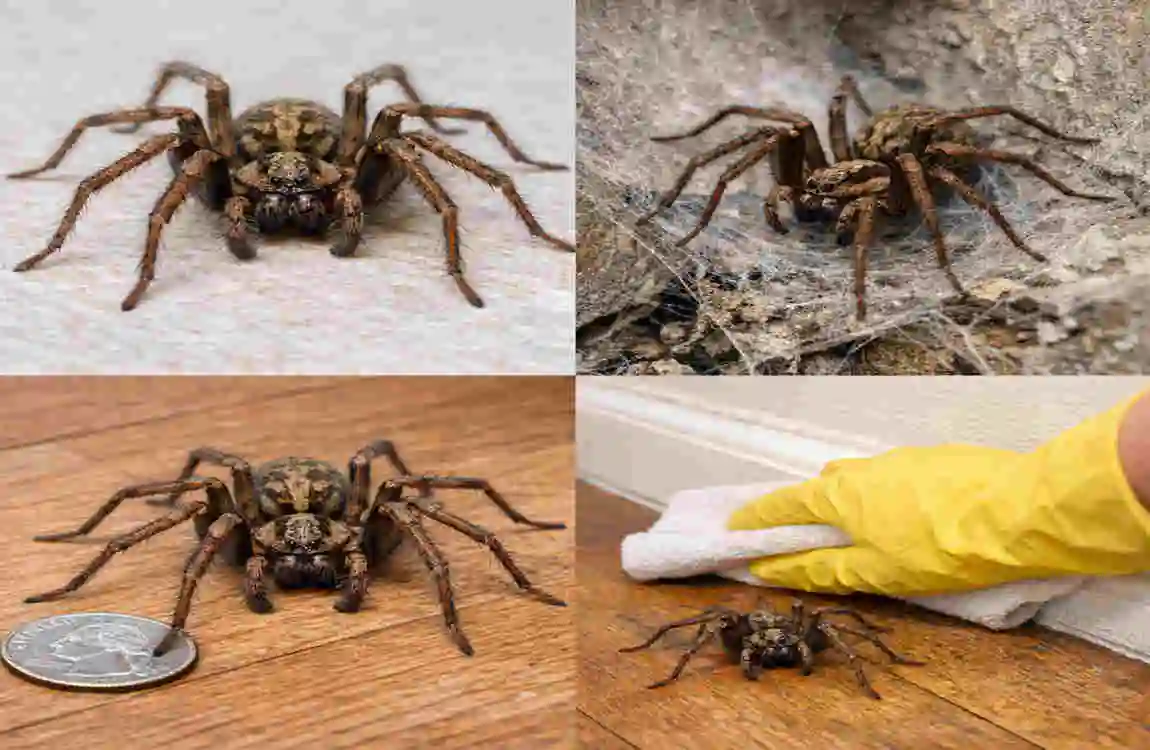
Before we can determine whether you are in danger, we need to know exactly what kind of guest you are dealing with. Identifying a big house spider is easier than you might think once you know what to look for. Let’s break down their appearance and habits into simple terms.
How to Spot a Big House Spider
These spiders definitely live up to their name. They are big. They typically boast a leg span of 1 to 2 inches, which is more than enough to startle anyone.
Their bodies are usually a mix of earthy tones, mostly dark brown or gray, with faint chevron or stripe patterns on their abdomens. They do not have the shiny, bulbous look of a black widow. Instead, they look a bit furry and rugged.
Their most notable trait is their speed. When you flip on a light switch, they are incredibly fast movers, darting across the floorboards in the blink of an eye.
Where Do They Hide While You Clean?
Big house spiders are not interested in paying rent, but they love the cozy environments our homes provide. They specifically build messy, funnel-shaped webs.
You will often find these webs in the quiet, undisturbed corners of your home. They absolutely love damp areas. This is why you frequently encounter them in bathrooms behind the toilet, in humid basements, or tucked away in cluttered garages. Unfortunately for you, these are prime cleaning spots!
Dangerous Spiders vs. Harmless House Spiders
To put your mind at ease, let’s compare these gentle giants to spiders that actually pose a threat.
Feature: Big House Spider, Black Widow, Wolf Spider
Size 1-2 inch leg span 1.5 inch leg span Up to 2 inches
Color/Markings : Brown/Gray, hairy . Shiny black, red hourglass . Brown/Gray with distinct stripes
Web Type : Messy funnel webs , irregular, sticky cobwebs . No webs (they hunt on foot)
Danger Level Harmless High (Medical attention needed) Low (Painful but not deadly)
Why You Might See More Spiders
Have you noticed more spiders this year? You are not imagining things. Recent search trends in 2026 show a massive spike in homeowners looking for safe spider removal.
Why the sudden increase? We have experienced particularly wet and mild winters lately. This weather creates a booming population of outdoor insects. More insects mean more food for spiders, leading to larger, healthier spider populations that eventually wander indoors to escape the cold.
Are Big House Spiders Cleaning Dangerous? The Truth
Let us address the giant, hairy elephant in the room. When you type “are big house spiders cleaning dangerous” into your search bar, your imagination is probably running wild.
Here is the direct answer to your biggest fear: No, they are not dangerous.
Big house spiders are not aggressive monsters plotting to attack you while you dust the baseboards. In fact, they are deeply terrified of you. You are a giant, loud, moving mountain to them. When you start cleaning, their first and only instinct is to flee.
The Vacuum Cleaner Myth
One of the most common fears we hear is the dreaded vacuum attack. People often think, “If I try to vacuum up that spider, it will jump off the wall and bite my face!”
This is simply false. Big house spiders do not jump. They are sprinters, not high jumpers. If you turn on a loud, vibrating vacuum cleaner, the spider is going to run in the opposite direction as fast as its eight legs can carry it. They will only ever try to bite if they are completely trapped and feel their life is ending—for example, if you unthinkingly grab them with a bare hand.
Actual Cleaning-Specific Risks
Let’s look at the actual data. The risks of having a dangerous encounter with a house spider while doing your chores are remarkably low.
Spiders naturally avoid loud noises, sudden movements, and water. When you are scrubbing, sweeping, and splashing soapy water around, you are creating an environment highly unappealing to spiders. According to entomology experts, less than 1% of all spider bite incidents occur during routine house chores.
Reasons You Do Not Need to Panic
To help you feel completely at ease next time you grab your mop, here are five simple reasons these spiders are harmless:
- Their fangs are tiny. Even though the spider looks large, its fangs are extremely small and fragile. They have a very hard time piercing human skin.
- They are non-venomous to humans. They do have venom to paralyze tiny fruit flies, but it is too weak to affect humans or pets in any meaningful way.
- They are easily spooked. They are the ultimate introverts. The vibration of your footsteps is usually enough to send them hiding.
- They have poor eyesight. They rely on vibrations in their webs to sense the world. They do not “see” you and decide to launch an attack.
- They prefer hiding to fighting. A spider will always choose to retreat into a dark crack rather than stand its ground against a Swiffer duster.
Common Myths About House Spiders During Home Cleaning
Myths and urban legends spread faster than a spider running across a hardwood floor. Let’s bust some of the most persistent, scary stories you might have heard from your neighbors or read on the internet.
Do They Carry Diseases from Dirty Drains?
Myth: “Big house spiders crawl out of the sewer and carry deadly diseases on their feet, spreading bacteria all over my clean bathroom.”
The Reality: This is completely busted! There is absolutely no scientific evidence that big house spiders carry or transmit human diseases. Unlike mosquitoes, ticks, or cockroaches, spiders are quite clean. They spend a lot of time grooming themselves. Furthermore, they do not live in sewers. They might wander into a sink for a sip of water and get stuck, but they are not crawling up from the city drain system. They are much more interested in eating flies and ants than spreading germs.
Are Spider Webs Toxic to Your Counters?
Myth: “If a spider builds a web on my kitchen counter overnight, the silk will leave toxic residue on my food prep surfaces.”
The Reality: Busted again! Spider silk is one of nature’s most fascinating creations, but it is completely harmless to humans. The silk is made of simple proteins and water. It contains absolutely no toxins, poisons, or dangerous chemicals. If you accidentally wipe away a web with a damp cloth, you are entirely safe.
Myths vs. Facts: The Ultimate Breakdown
To make it incredibly clear, here is a quick cheat sheet you can reference next time you feel anxious during your weekend cleaning routine.
The Scary Myth: The Scientific Reality: Impact on Your Cleaning: Expert Source/Data
They jump at you. They run away. They lack jumping anatomy. You can sweep near them safely. University Entomology Studies
They lay eggs in your ears. They prefer quiet, dark, undisturbed corners. No risk while dusting or sleeping. Medical Case Files (Zero cases)
Webs are toxic. Webs are just natural protein strings. Safe to wipe away with any rag. Biological and Chemical Analysis
They spread disease. They groom constantly and don’t carry germs. They don’t contaminate surfaces. CDC Pest Guidelines
If you are still feeling worried after reading these facts, do not let anxiety ruin your peace of mind. You can always schedule a comprehensive inspection with [Your Service]. We can assess your home and give you tailored advice!
Real Risks: When Big House Spiders Might Bite
We have established that you are safe 99% of the time. But what about that 1%? It is important to be honest and realistic. While a big house spider bite is incredibly rare, it can happen under very specific, unfortunate circumstances.
Accidental Squeezes and Squishes
Spiders bite strictly out of self-defense. The only real risk of being bitten is accidental compression.
What does this mean? Imagine you are reaching into a dark closet to grab your heavy-duty cleaning gloves. A spider happened to be taking a nap inside the thumb hole. When you jam your hand inside, the spider is suddenly crushed. To save its own life, it bites.
Other scenarios include picking up a damp towel off the laundry room floor where a spider was hiding, or pressing a cleaning rag directly onto a spider hiding in a blind spot on your baseboard.
What Happens If You Actually Get Bitten?
If the worst happens and a big house spider does manage to pierce your skin, you do not need to call an ambulance.
The bite effects are incredibly mild. For the vast majority of people, the bite will feel exactly like a minor bee sting or a mosquito bite. You might experience a small, raised red bump and some localized itching.
There is no necrosis (flesh-rotting) associated with the big house spider. The symptoms will fade away naturally within a few days without any medical intervention.
Keeping Kids and Pets Safe
Children and pets are naturally curious. A toddler might try to grab a fast-moving spider, or a cat might try to bat it with a paw.
Because children and small animals have lower body weights, they might experience slightly more redness or swelling than a full-grown adult. If your child or pet gets bitten:
- Wash the area gently with warm water and basic antibacterial soap.
- Apply an ice pack wrapped in a cloth to reduce any swelling.
- Monitor the bite for a few days to ensure it doesn’t get infected from scratching.
The Statistics on Spider Bites
Let’s look at the numbers to ease your mind. According to data tracking similar to CDC reports, there are typically fewer than 100 confirmed cases of big house spider bites nationwide each year. When you consider that millions of these spiders live in our homes, those odds are astronomically in your favor!
Safe Cleaning Strategies to Avoid Spiders
You know they are not dangerous, but that does not mean you want them watching you scrub the floors. If you want to know about house spiders during cleaning, you are in the right place.
Here is how you can effectively clean your home while minimizing any chance of a creepy eight-legged encounter.
Ways to Prevent Spider Surprises
Prevention is always the best cure. Implement these eight easy steps before you even start cleaning:
- Seal the Cracks: Grab some caulk and seal up tiny gaps around your windows, doors, and baseboards. If they can’t get in, they can’t bother you.
- Reduce Floor Clutter: Spiders love hiding under piles of clothes, stacks of magazines, or empty cardboard boxes. Keep your floors clear!
- Use Peppermint Spray Pre-Cleaning: Spiders hate the smell of peppermint. Spritz a mixture of water and peppermint essential oil in the corners of a room 10 minutes before you start cleaning to chase them away.
- Install Door Sweeps: Block the bottom gap of your exterior doors to stop wandering spiders in their tracks.
- Trim Outdoor Shrubs: Keep bushes and tree branches cut back at least two feet from your home’s exterior walls.
- Switch to Yellow Bulbs: Standard white porch lights attract moths and flies, which in turn attract spiders. Yellow LED bug lights reduce the food source.
- Manage Indoor Humidity: Use a dehumidifier in your basement and ensure your bathroom fan works. Spiders love moisture; take it away from them!
- Shake Out Cleaning Gear: Always shake out your mops, rags, and rubber gloves before using them.
Your Room-by-Room Cleaning Guide
Different rooms require different strategies. Here is how to handle the most common spider hotspots:
The Kitchen: Spiders usually hide in the dark, forgotten spaces. Before wiping down your counters, take a flashlight and check the deep corners of your lower cabinets, especially under the sink, where it might be slightly damp.
The Bathroom: This is the big house spider’s favorite room. Always check the ceiling corners above the shower before stepping in to scrub. Look behind the toilet tank; it’s a classic hiding spot.
The Bedroom: You rarely see them in the open here. Use a long-handled duster to sweep under your bed frame and behind your heavy dressers before you run the vacuum.
The Best Tools for Spider-Free Chores
Upgrading your cleaning arsenal can make a huge difference. Invest in a high-quality vacuum cleaner equipped with a HEPA filter and a long hose attachment. This allows you to suck up old, abandoned webs from the ceiling without having to climb a ladder.
You can also use natural repellents. Consider switching to citrus-scented or vinegar-based all-purpose cleaners. Spiders detest these acidic smells and will avoid freshly cleaned surfaces. If you want guaranteed results, check out our line of eco-friendly, pest-deterring cleaning supplies at [Your Business Name]!
The Magic of Night Cleaning
Here is a pro tip that few people consider: adjust your schedule. Big house spiders are nocturnal, meaning they become most active at dusk and during the night when they hunt.
If you do your deep cleaning in the middle of a bright, sunny afternoon, spiders are likely deeply asleep in their hiding spots. By cleaning during the day, you drastically minimize the chance of them running across the floor and startling you.
Benefits of Big House Spiders in Your Home
It might be incredibly hard to believe, but having a big house spider or two in your home is actually a positive thing! They are the unsung heroes of the insect world. Instead of viewing them as terrifying invaders, see them as your silent, free roommates who earn their keep.
Your Free, Natural Pest Controllers
Big house spiders have huge appetites. Every single night, they work the night shift, actively hunting down pests that actually cause problems.
They trap and eat hundreds of tiny insects, including annoying houseflies, fruit flies, mosquitoes, clothes moths, and even small cockroaches. By keeping these insect populations in check, spiders actually help reduce the allergens and germs that flies and roaches bring into your kitchen.
Boosting Your Home’s Ecosystem
We hear a lot about being eco-friendly these days. Well, tolerating a non-dangerous house spider is a great way to be environmentally conscious!
When you allow spiders to control the bugs in your home naturally, you eliminate the need to spray toxic, harsh chemical pesticides in your living spaces. You are promoting natural biodiversity right inside your walls, keeping your indoor air quality cleaner and safer for your family.
How Spiders Actually Keep Your House Cleaner
Think about the cleaning upside. Yes, you might have to wipe away a dusty cobweb now and then. But consider the alternative.
Fewer flies mean fewer dirty fly specks on your windows and mirrors. Fewer clothes moths mean less damage to your expensive sweaters. Fewer ants mean you do not have to scrub sticky trails off your kitchen floor constantly. In a strange, indirect way, big house spiders actually keep your surfaces spotless!
How to Remove Big House Spiders Humanely
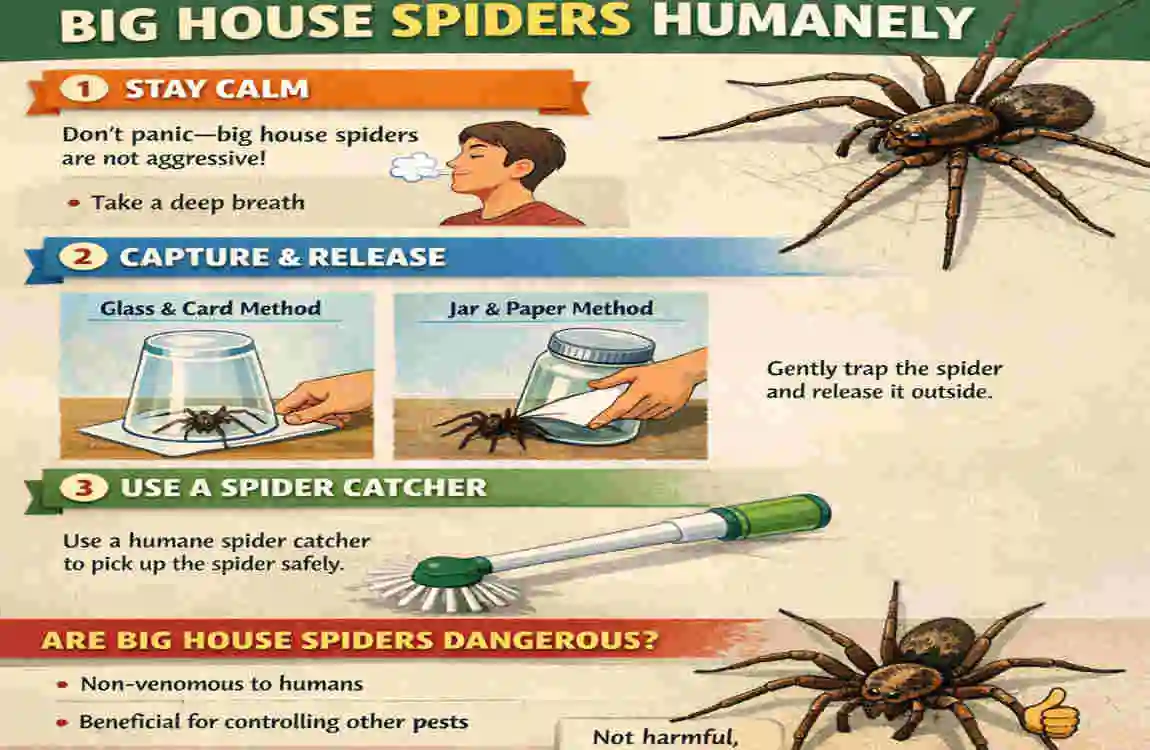
Okay, we get it. Even though you now know they are harmless, helpful, and terrified of you, you still do not want a massive spider living next to your bathtub. That is entirely fair!
If you want to practice safe spider-removal techniques at home, you do not have to resort to squishing them. Here is how to remove them peacefully.
The Glass and Paper Trick
This is the oldest, most reliable, and most humane method for spider removal. It requires zero special equipment.
- Find a clear drinking glass or a clean, empty pasta jar.
- Grab a piece of stiff cardboard or a thick piece of junk mail.
- Slowly and calmly place the glass completely over the spider.
- Gently slide the cardboard under the rim of the glass. The spider will step up onto the paper.
- Hold the paper tightly against the glass rim, walk house outside, and release the spider into a bush or garden bed.
When to Stop DIYing and Call the Pros
Removing one or two spiders a month is a normal part of homeownership. However, if you are catching a massive spider every single day, or if you are finding hundreds of tiny spiderlings in your basement, you might have a full-blown infestation.
This usually means you have a larger underlying pest problem (like a hidden ant colony) that is feeding all those spiders. This is exactly when you should stop the DIY methods and call the professionals at [Your Business Name]. We can safely and effectively treat the root cause of the infestation.
Safe Spider Repellents
If you want to create a barrier to keep them out without harming them, here are the top products you can use:
Repellent Type: How It Works: Pros: Cons:
Peppermint Oil Overwhelms their senses. Smells amazing, 100% natural. Needs to be reapplied weekly.
White Vinegar: The acidicThe acidic smell deters them. Cheap, safe for most surfaces. Strong odor until it dries.
Citrus Peels Rub on baseboards. Great use of food waste. Can attract ants if left out too long
Diatomaceous Earth Natural is a microscopic powder. Highly effective, long-term. Dusty must be kept completely dry.
Cedar Blocks: Natural wood oils repel. Great for closets, zero effort. Loses scent over a few months.
FAQs: Are Big House Spiders Cleaning Dangerous?
You probably still have some lingering questions. We have compiled the most frequently asked questions about cleaning and house spiders to ensure you have all the information you need.
Do big house spiders bite during cleaning? No, it is exceptionally rare. Unless you accidentally grab one or squish it under a sponge, they will run away from the vibrations of your cleaning tools.
How to clean without spiders bothering me? Turn on all the bright lights, play music, and use strong-smelling cleaners like lemon or vinegar. The noise, light, and scent will drive them into hiding before you even start scrubbing.
Are giant house spiders poisonous to dogs or cats? No. While they do possess venom for digesting tiny bugs, it is not potent enough to cause medical emergencies in pets. A bite will cause a mild, temporary itch.
Why do I always find spiders in my clean bathtub? Spiders do not climb up the drain. They get thirsty, wander into the tub in search of a drop of water, and then their feet slip on the slippery, clean porcelain as they try to climb back out!
Will a vacuum cleaner kill a spider? Usually, yes. The force of being sucked through the hose and into the dirt canister is typically fatal for a fragile spider. If you want to be humane, use the glass-and-paper catch method instead.
Does bleach keep spiders away? While bleach will kill a spider on contact, it is a harsh chemical that isn’t a great long-term repellent. Once the bleach dries, the smell fades, and spiders may return. Natural essential oils are safer and longer-lasting repellents.
Should I be worried if I find a big house spider nest? Big house spiders don’t build massive, communal “nests” as wasps do. If you find a dense area of funnel webs, use a vacuum hose to suck up the webs and egg sacs to prevent a population boom.
What time of year are house spiders most active? You will notice them mostly in late summer and early autumn. This is their mating season, so the large males leave their webs and wander around your home looking for a female.
