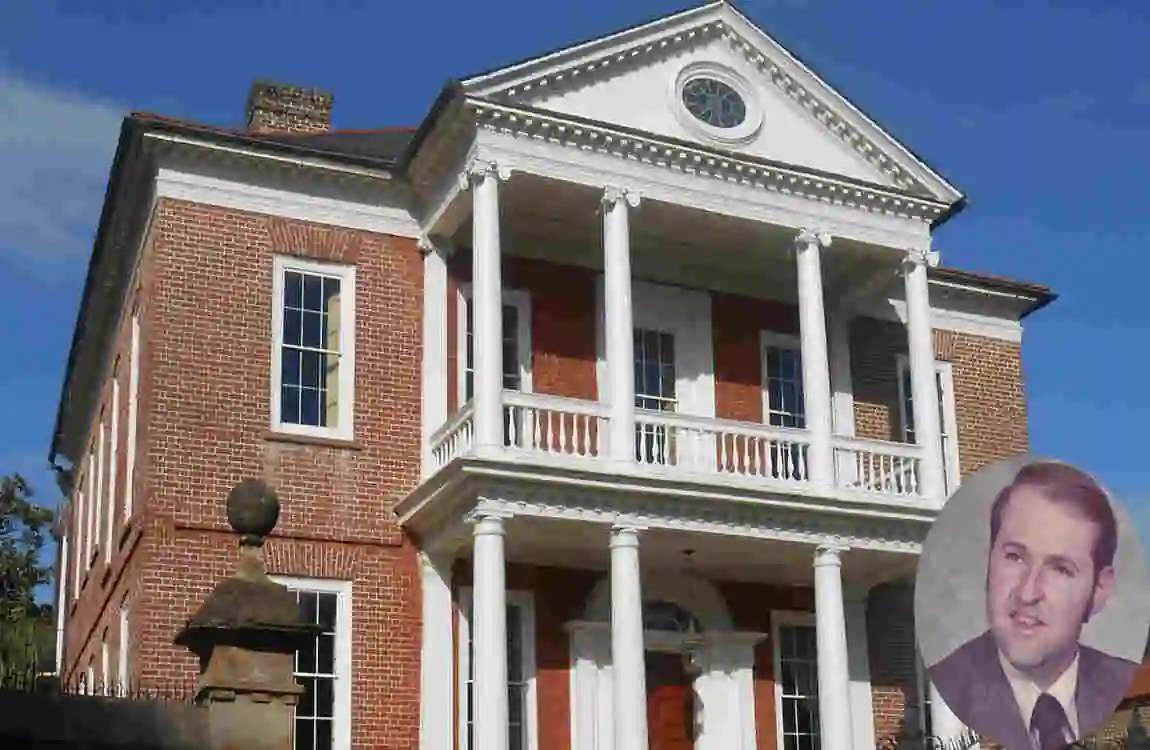

Have you ever walked down a cobblestone street and felt like the buildings were whispering secrets of the past? If you find yourself in the heart of Charleston, South Carolina, specifically at 71 Church Street, you are standing in front of a true time machine. The Robert Brewton House isn’t just another pretty face in a city famous for its beauty; it is a pioneer. Built around 1730, this stunning structure holds the title of the oldest surviving “single house” in the city.
When you look at this house, you aren’t just seeing bricks and mortar. You are seeing a clever solution to the sweltering Southern heat and a testament to the ingenuity of early American settlers. Its narrow design, which faces the street with a slender gable end, was specifically optimized for coastal breezes. This architectural choice allowed residents to stay cool long before air conditioning was invented. Because of its immense historical and architectural house value, the Robert Brewton House has been recognized as a National Historic Landmark since 1960.
The Early Days: How the Robert Brewton House Came to Be
To understand the Robert Brewton House, we have to go back to a time when Charleston was a bustling colonial port, filled with immigrants looking for a new start. The story begins around 1730, when the house first emerged at 71 Church Street. At the time, it was a revolutionary design, marking the earliest dated example of what we now call the “Charleston single house”.
The Brewton Family Legacy
The house is named after Robert Brewton, but its story actually starts with his father, Miles Brewton. Miles was a skilled goldsmith who immigrated to the colonies from Barbados in 1684. This connection to Barbados is crucial because many of Charleston’s unique architectural styles were influenced by the Caribbean. Miles eventually gifted the property to his son, Robert, sometime in the 1730s or 1740s.
Robert Brewton was a man of many hats. Like his father, he was a goldsmith. Still, he also served as a militia officer and was deeply involved in the community. He lived in the house with his wife, Mary Griffith, and together they raised a family that would become one of the most prominent in South Carolina history.
From Barbados to the Holy City
Why does the house look the way it does? The “single house” style is believed to have its roots in Barbados’ row houses. When the Brewtons and other settlers arrived, they brought these design concepts with them. They needed homes that could fit on narrow city lots while still providing enough airflow to survive the humid summers.
The Brewtons weren’t just building a home; they were building a family compound. In 1733, records show a deed for the adjacent property at 73 Church Street, which was intended for Robert’s daughter, Dale. This shows how the family established deep roots in the neighborhood, creating a legacy of prosperity during Charleston’s pre-Revolutionary colonial boom.
Architectural Mastery: What Makes a “Single House”?
If you’ve ever visited Charleston, you’ve likely noticed houses that look “sideways.” These are the famous single houses, and the Robert Brewton House is the granddaddy of them all. But what exactly defines this style? Let’s break down the features that make this building so special.
Designing for the Lowcountry Heat
The most striking feature of the Robert Brewton House is its narrow end-to-street orientation. Instead of the front of the house facing the street, the side does. This wasn’t just a fashion choice; it was a survival tactic. By placing the narrow end toward the street, the long side of the house could face the prevailing southwesterly breezes.
The house stands three stories tall and is exactly one room wide. This layout ensures that every room has windows on at least two sides, allowing air to flow freely through the entire living space. It’s a brilliant example of “passive cooling” that modern architects still study today.
The Layout: One Room at a Time
Inside, the house follows a very specific, symmetrical layout. On each floor, you’ll find a central hallway with one room on each side. This simplicity is part of its charm. Unlike modern homes with sprawling floor plans, the Robert Brewton House is vertical and efficient.
Another interesting detail? The house has no basement. In the low-lying coastal areas of Charleston, the water table is very high. Building a basement would have been a recipe for a flooded mess. Instead, the house sits firmly on its foundation, with a rear garden that originally housed a kitchen, carriage house, and servants’ quarters.
Materials and Craftsmanship
The construction of the Robert Brewton House used the best materials available at the time. Its facade is exposed on three sides, showcasing the period details meticulously preserved over the centuries. While many other 1700s homes were lost to fires or storms, the sturdy construction of 71 Church Street has allowed it to remain a permanent fixture of the Charleston skyline.
Comparison: Robert Brewton House vs. Modern Homes
To give you a better idea of how unique this design is, let’s compare it to the houses most of us live in today.
FeatureRobert Brewton HouseTypical Modern House
Width : One room wide, Multi-room broad front
Orientation : Narrow end to the street, Wide facade facing the street
Ventilation Optimized for natural breezes , dependent on HVAC systems
Outbuildings , separate kitchen and quarters , attached garages and patios
Foundation No basement (high water table). Often includes basements or slabs
The Revolutionary War and Beyond
The Robert Brewton House has seen its fair share of drama. During the Revolutionary War, the Brewton family found themselves in the middle of a global conflict. Robert’s son, also named Miles Brewton, became a wealthy merchant and a prominent Patriot. He even built the even grander Miles Brewton House nearby in 1769.
A House Caught in the Crossfire
When the British occupied Charleston during the Revolution, many prominent homes were seized—the Brewton family, known for their support of the American cause, faced exile. Imagine the tension of that time—living in a beautiful home. At the same time, soldiers from a foreign crown occupied your streets and took over your property.
After the war, the house changed hands several times. Each one played a role in preserving its single-house integrity. It survived the Civil War, the Great Earthquake of 1886, and countless other challenges, remaining in private hands for most of the 19th and 20th centuries.
The Next Generation: Miles Brewton
While Robert is the namesake of 71 Church Street, his son Miles is often the one who gets the most attention in history books. Miles was a merchant and slave trader educated in England. His wealth allowed him to build one of the most famous mansions in the South. Still, it all started with the architectural foundation laid by his father at the Robert Brewton House.
Preservation and the Modern Era
In the 20th century, people began to realize just how important the Robert Brewton House was to American history. In 1960, it was officially designated as a National Historic Landmark. This status ensures that the house is protected and its historical significance is recognized at the national level.
Facing the Elements: Hurricanes and Time
Preserving a 300-year-old house is no easy task. Hurricanes frequently hit Charleston, and the humid salt air can be brutal on historic materials. Preservationists have worked tirelessly to maintain the house, ensuring that it remains a symbol of Charleston’s evolution.
Today, the house remains a private residence. While you can’t usually go inside for a tour, its presence on Church Street continues to influence the city’s culture. It serves as a reminder of how we can adapt our living spaces to the environment around us.
Cultural Impact and Legacy
The Robert Brewton House is more than just a building; it’s a symbol. It represents the evolution of the Charleston single house, a style that has become synonymous with the city’s identity. It inspires modern architects to think about sustainable design and how we can use natural elements, such as wind and orientation, to make our homes more efficient.
Planning Your Visit to 71 Church Street
Are you ready to see this piece of history for yourself? Visiting the Robert Brewton House is a must for anyone exploring Charleston’s French Quarter.
Walking the French Quarter
The house is located at 71 Church Street, right in the heart of one of the most walkable neighborhoods in the country. As you walk down the street, you’ll be surrounded by other famous landmarks, including Rainbow Row and the Miles Brewton House.
Pro Tip: The best time to visit is during the spring or fall. The weather is mild, and the gardens in the area are often in full bloom. Since the house is a private residence, you won’t be able to go inside, but the view from the street is absolutely worth the trip.
Photography and Etiquette
Because the luxury house is a private home, it’s important to be respectful. You are welcome to take photos of the narrow facade from the sidewalk, but be mindful of the residents. The street itself is very pedestrian-friendly, making it easy to stop and admire the craftsmanship without rushing.
Frequently Asked Questions (FAQs)
What is the Robert Brewton House?
It is the oldest dated Charleston single house, built around 1730. It is famous for its narrow design that helps capture coastal breezes.
Who built the Robert Brewton House?
The house is attributed to the goldsmith Miles Brewton, who built it for his son, Robert Brewton.
Can you tour the inside of the house?
Generally, no. It is a private residence. However, you should check for special local events or historic home tours that occasionally offer access. Is it called a ‘single house’?**
The term refers to the house being only one room wide, with its narrow gable end facing the street.
Where is it located?
You can find it at 71 Church Street in Charleston, South Carolina. Conclusion.
The Robert Brewton House stands as a silent witness to nearly 300 years of American history. From its colonial beginnings as a goldsmith’s home to its role as an architectural pioneer, it remains one of the most important buildings in the South. By blending innovation with tradition, it created a blueprint for Southern living that still resonates today.
Next time you find yourself in Charleston, take a moment to stop at 71 Church Street. Look up at those three stories of history and imagine the breezes that have flowed through those rooms since 1730. It’s a beautiful reminder that good design never goes out of style.
Where Does Robert Brewton Currently Live?
Robert Brewton, the 18th-century Charleston merchant and politician associated with the historic Robert Brewton House, died in the 1770s and thus has no current residence.
Robert Brewton House photo