

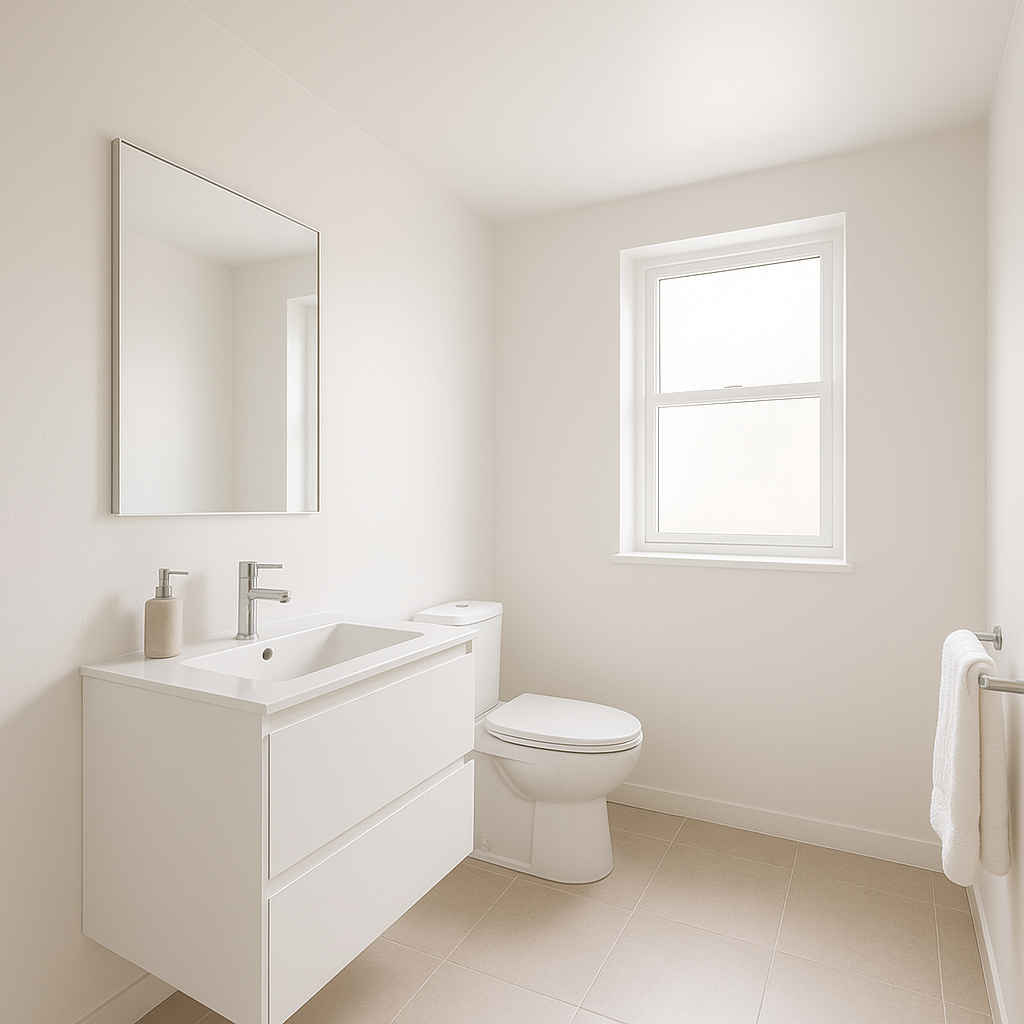
Are you standing in your bathroom, staring at the ceiling, and asking yourself, “Should bathroom ceiling be same color as walls? Will it make my bathroom feel bigger or just… weird?” If so, you’re not alone! Many homeowners, especially those with small or windowless bathrooms, face this exact dilemma. With bathrooms being some of the smallest, most used, and most scrutinized spaces in the home, every design choice feels high stakes.
The debate is real: monochromatic (same color ceiling and walls) versus contrasting ceilings. Which creates a brighter, more expansive space? Can color alone help a cramped bathroom feel airy and inviting? According to a 2025 Houzz survey, a whopping 80% of homeowners regret not prioritizing good lighting and paint choices in their bathroom renovations. The right ceiling color can make all the difference.
Why Ceiling Color Matters in Bathroom Design
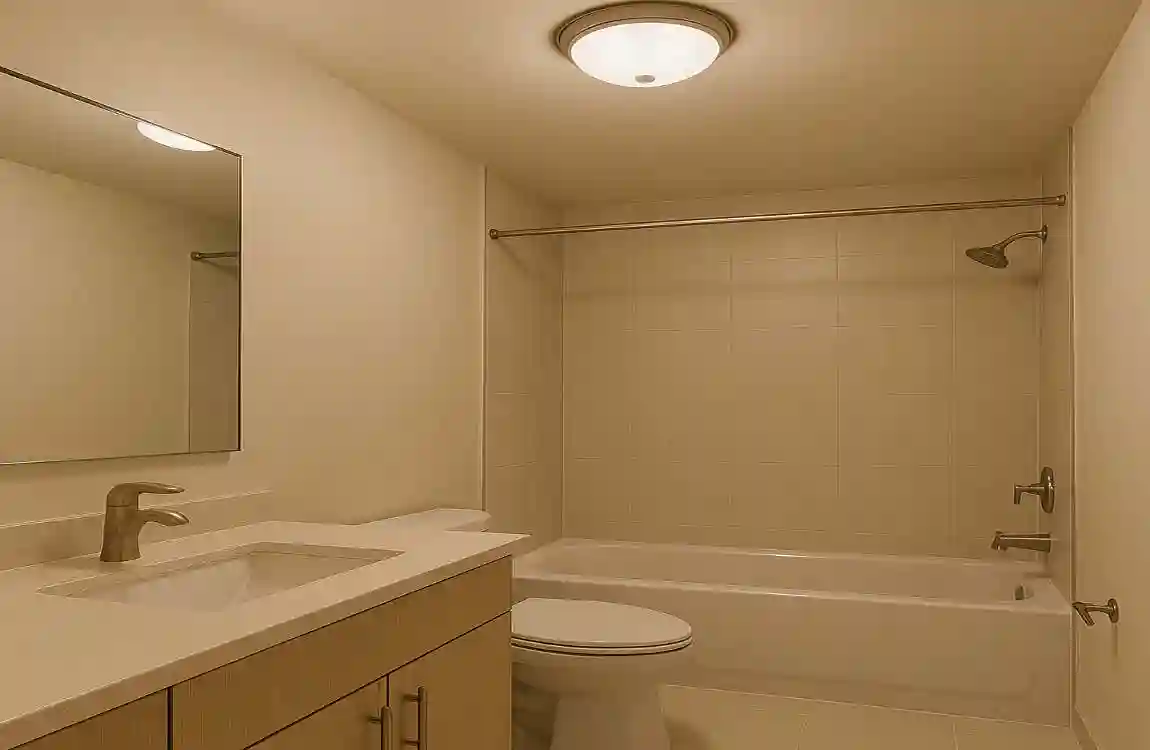
Your ceiling isn’t just a forgotten “fifth wall”—it’s a powerful design tool that can visually transform your bathroom. Colors impact how we perceive space. Lighter shades reflect more light, bouncing it around a room and making it feel open and airy. Darker hues, on the other hand, absorb light, which can make even a spacious bathroom feel more enclosed.
Think of your ceiling as a giant reflector. A white or pale ceiling can add up to 20% more perceived space, according to interior design studies. It’s all about optical illusion: when walls and ceilings blend together, boundaries blur, and the eye travels further—giving the impression of higher ceilings and larger square footage.
Bathroom-Specific Challenges
Bathrooms have their own unique set of challenges:
- Humidity and Mold: Bathrooms are prone to steam, which can cause paint to peel or mildew to form, especially on ceilings.
- Poor Natural Light: Many bathrooms windows, making every bit of reflected light count.
- Highlighting Flaws: A ceiling color that clashes with your walls can draw attention to imperfections—like water stains or uneven finishes.
- Size Amplifies Mistakes: In bathrooms under 50 square feet, even small errors in color or finish are instantly noticeable.
Common pitfalls:
- Dark ceilings can make steamy rooms feel cave-like.
- Mismatched colors highlight water stains or uneven paint lines.
- Small bathrooms magnify any design missteps.
Trends Snapshot
Looking ahead to 2026, seamless, monochromatic bathrooms are trending. Pinterest’s 2026 home design predictions highlight the rise of minimalist, spa-inspired bathrooms—where walls and ceilings blend into one harmonious color. The result? Spaces that feel bigger, cleaner, and more tranquil.
Should Bathroom Ceiling Be Same Color as Walls? Pros and Cons
Pros of Matching Ceiling to Walls
Choosing to paint your bathroom ceiling the same color as your walls isn’t just a trend; it’s a time-tested designer trick for making compact spaces appear larger and brighter. Let’s explore the main benefits:
Bigger Space Illusion
When walls and ceiling share a continuous color, your eye can’t easily discern where one ends and the other begins. This seamless effect blurs boundaries, creating an illusion of height and spaciousness. Think about a cozy Scandinavian bathroom: all white, all over. Suddenly, that 5×7 foot space feels expansive.
Brighter Ambiance
Bathrooms often lack natural light. A matching, pale ceiling maximizes light reflection. The result? Even windowless rooms feel open and inviting. If you’re working with a dark or cramped bath, this trick is your secret weapon.
Easy Maintenance
Let’s face it: bathroom ceilings get messy fast—especially in humid climates. When the ceiling and walls are the same color, stains and mildew blend in more, minimizing visual disruption. Touch-ups are also easier; you don’t need to worry about perfectly straight paint lines.
| Pro | Benefit | Example Color Scheme |
|---|---|---|
| Seamless Flow | Feels taller | Soft gray walls + ceiling |
| Light Boost | Up to 30% brighter | Crisp white monochromatic |
| Modern Vibe | Trendy minimalism | Pale blue all-over |
Cons of Matching (and When to Avoid)
While matching your ceiling to the walls has clear perks, it’s not always the right call for every space. Here are the main drawbacks:
Claustrophobia in Tiny Baths
If you use a dark or saturated color everywhere, you risk making the room feel boxed-in or even oppressive. All-dark schemes trap light and can create a cave-like feeling—the opposite of what most people want in a bathroom.
Maintenance Nightmares
Uniform color can also mean that any stains, mildew, or water damage show up everywhere. There’s no “break” to visually hide problem areas. This makes the choice of paint finish (and regular cleaning) even more important.
Boring Monotony
While continuity can look clean, too much of the same color can lack depth and interest. If you crave architectural detail or visual separation, an all-over paint job might feel bland.
| Con | Drawback | Alternative Fix |
|---|---|---|
| Low Ceiling Trap | Compresses height | White ceiling contrast |
| Stain Visibility | Highlights wear | Semi-gloss topcoat |
| Boring Monotony | Lacks depth | Subtle texture variation |
House Design Tips for Bigger, Brighter Bathrooms
Go Monochromatic for Maximum Space
If you’re working with a small bathroom, then yes—the answer to should bathroom ceiling be same color as walls is often a resounding “yes!” Here’s how to pull off the look:
- Pick a Light Neutral: Colors like Sherwin-Williams Alabaster, Benjamin Moore Chantilly Lace, or a soft greige are foolproof for maximizing light and space.
- Choose the Right Finish: Go for a flat or matte finish for walls and a moisture-resistant eggshell or satin for the ceiling. This combo diffuses light softly while still being easy to clean.
- Add Mirrors: Position mirrors to reflect both natural and artificial light, doubling the illusion of space.
Contrast for Drama and Height
Craving a little more drama? Contrasting ceilings can work wonders, especially if you have higher ceilings (over 8 feet). Try white or a very pale shade on the ceiling, with richer color on the walls. This draws the eye upward, making the ceiling appear higher.
Lighting Hacks to Amplify Color Choices
Paint color and lighting go hand in hand. Here’s how to make your bathroom glow:
- Install Recessed LEDs: Even, ceiling-mounted lighting prevents shadows and brightens every corner.
- Use Vertical Fixtures: Tall sconces or mirrors with built-in lights elongate the space visually.
- Pick Warm Bulbs (2700K): Warm light mimics daylight, especially when combined with light ceilings.
Material and Finish Matters
Choosing the right paint is just as important as picking the perfect color. Bathrooms demand durability and mold resistance.
- Glossy Finishes: Reflect more light, making the room feel bigger—especially in humid areas.
- Textured Ceilings: Hide imperfections and add depth without breaking up color continuity.
Best Paints for Bathroom Ceilings:
- Behr Premium Plus Interior (mold & mildew resistant)
- Benjamin Moore Aura Bath & Spa (humidity-proof)
Home Case Studies
Let’s look at two real-life examples:
- Case 1: A 6×8 ft bathroom felt tight and shadowy. Painting both walls and ceiling in a soft beige (with semi-gloss finish) made the space feel 20% larger and much brighter.
- Case 2: A homeowner tried a bold contrast (dark green walls, white ceiling) but found it made the low ceiling feel even lower. Switching to a lighter, matching green throughout instantly opened up the space.
Best Color Palettes for Bathrooms in 2026
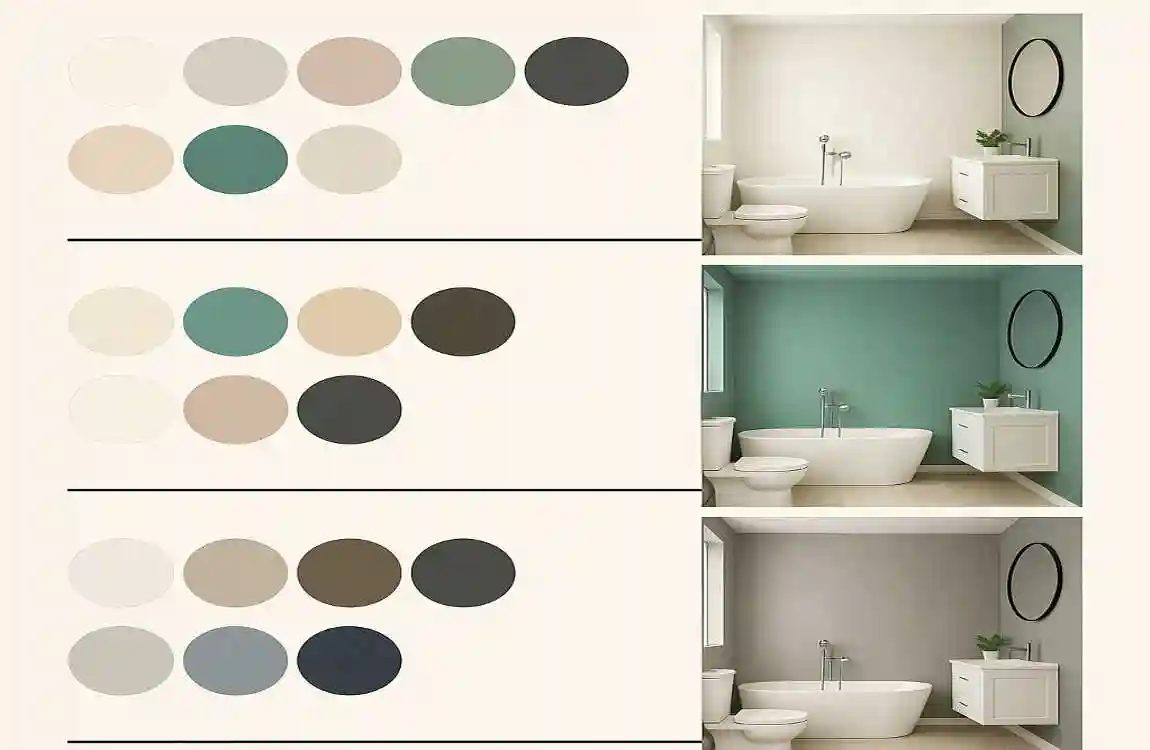
Ready to refresh your space? Here are five gorgeous palettes for matching your bathroom ceiling and walls, each with a modern twist:
Timeless White
Chantilly Lace (#F8F8F8)—An all-white bathroom never goes out of style. It’s clean, classic, and bounces light in every direction. Great for tiny baths or anyone who wants that spa-fresh feeling.
Serene Blues
Watery Teal (#A7C7E7)—For a coastal or tranquil vibe, try matching soft blue or teal on both walls and ceiling. It’s soothing and pairs beautifully with chrome or brushed nickel fixtures.
Warm Neutrals
Cozy Greige (#D2C4B0)—Greige (a blend of gray and beige) offers warmth without feeling dark. Perfect for modern bathrooms that need a touch of coziness and sophistication.
Palette 4: Bold Accents
Emerald Green (#217A57)—Feeling adventurous? Use a rich, jewel tone like emerald—but stick to light floors and plenty of natural light. This works best in larger bathrooms or powder rooms you want to “wow.”
Palette 5: Eco-Greens
Spa Sage (#B7C2A5)—Earthy sage green promotes relaxation and wellness. Match walls and ceiling, then add bamboo or wood accents for a nature-inspired retreat.
| Palette | Wall/Ceiling Color | Brightness Boost | Best For |
|---|---|---|---|
| White | #F8F8F8 | High | Tiny baths |
| Blue | #A7C7E7 | Medium | Coastal |
| Greige | #D2C4B0 | Medium | Modern |
| Emerald | #217A57 | Low/Medium | Large/powder |
| Sage | #B7C2A5 | Medium | Spa-inspired |
Common Mistakes to Avoid
- Ignoring Ceiling Height: If your ceiling is under 8 feet, always opt for lighter colors to avoid a “squished” effect.
- Skipping Primer in Humid Areas: This leads to peeling and mildew—always use a mold-resistant primer first!
- Overlooking Grout Lines: Clashing wall/ceiling colors can make grout or tile lines stand out in an unflattering way.
- Choosing the Wrong Finish: Flat paint on ceilings may hide imperfections, but isn’t always durable enough for humidity.
- Not Testing Colors in Bathroom Light: Paint looks different in artificial vs. natural light. Always sample before committing.
Quick Fixes:
- Use semi-gloss or satin on ceilings for easier cleaning.
- Match paint swatches at different times of day before deciding.
