

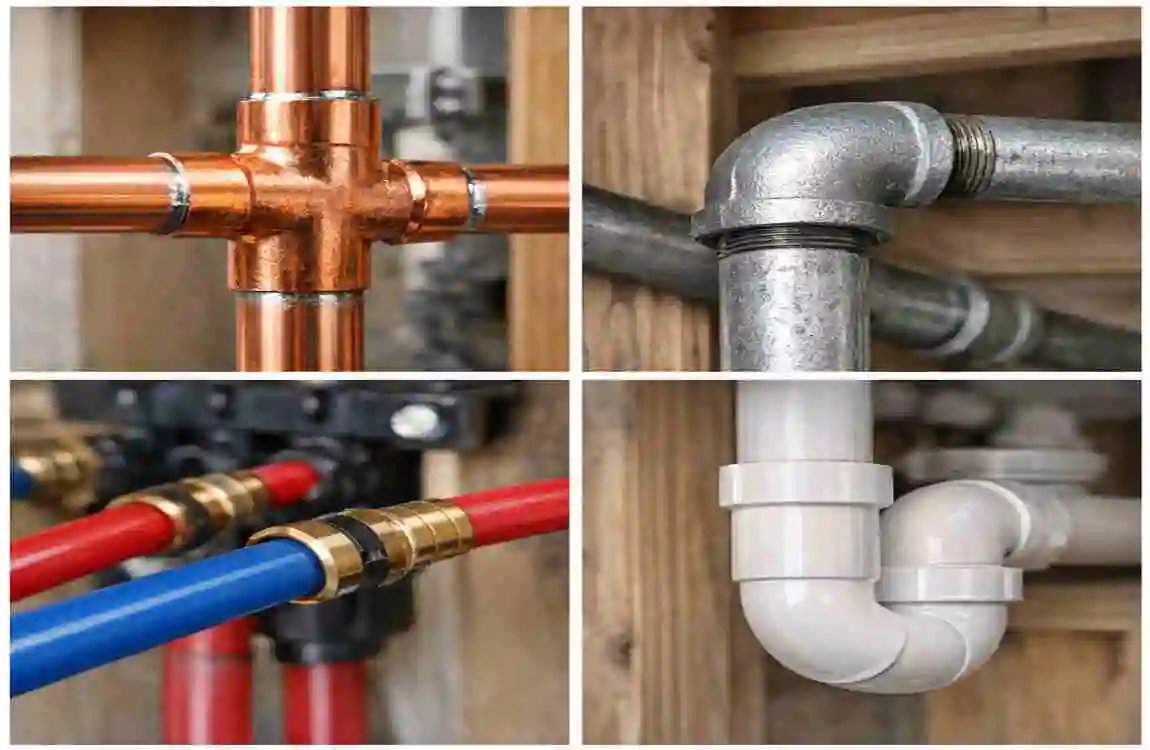
Imagine this scenario. You are a homeowner in Lahore. It is a quiet Sunday morning, and you are enjoying your cup of chai. Suddenly, you notice a growing, damp patch on your living room ceiling. Panic sets in. You leak.
Most of us never think about the complex network of tubes hiding behind our walls. We turn on the faucet, expect clean water to flow, and go about our day. However, knowing the types of metal plumbing pipes installed in your property is incredibly important. It is not just about satisfying your curiosity. It is about protecting your health, managing your home maintenance budget, and ensuring your family’s safety.
Different metals react differently to water over time. Some materials last for centuries, while others rust, degrade, and introduce harmful toxins into your drinking supply. If you understand exactly which metal is used for plumbing pipes in a house, you can predict when you might need a replacement, prevent catastrophic leaks, and ultimately save yourself thousands of dollars.
History of Plumbing Pipes: From Ancient Times to Modern Homes
To fully appreciate what metal is used for plumbing pipes in a house today, we need to take a quick trip back in time. The way we transport water has evolved drastically over the last century, driven by technological advancements, safety discoveries, and hard-learned lessons.
The Dark Ages of Lead Pipes
Believe it or not, the word “plumbing” actually comes from the Latin word plumbum, which means lead. For centuries, lead was the primary material used to move water. It was soft, highly malleable, and easy for early tradespeople to bend into shape.
Even up until the early 1900s, lead was widely used in residential homes around the world. However, as medical science advanced, society came to realize a horrifying truth. Lead is highly toxic. Over time, lead flakes off into the drinking water, causing severe neurological damage and health crises. Consequently, lead was completely banned for plumbing use, forcing builders to seek safer alternatives.
From Galvanized Steel to Copper: 100 Years of Change
By the mid-20th century, the home building industry needed a new champion. They turned to galvanized steel. If you ask a historian what metal is used for pipes in plumbing in a house built between the 1930s and the 1960s, the answer is almost always galvanized steel.
Builders loved galvanized steel because it was incredibly strong and relatively cheap to manufacture. It consists of standard steel, dipped in a protective zinc coating to prevent rusting. For a few decades, it seemed like the perfect solution.
But then, the problems started. Homeowners began experiencing mysterious drops in water pressure and rusty, brown water coming from their taps. The plumbing industry discovered that while the zinc coating protected the outside of the pipe, the inside was slowly corroding away due to constant exposure to water and minerals.
This led to a massive shift in the 1960s and 1970s. Plumbers needed a material that would not rust. Enter copper pipes for homes. Copper quickly became the gold standard for residential plumbing. It was lightweight, naturally corrosion-resistant, and completely safe for drinking water.
Modern Trends in Plumbing Metals
Today, if you ask a modern contractor what metal is used for plumbing pipes in a house, they will tell you that copper still holds absolute dominance in the plumbing market. In fact, copper retains roughly 60% of the residential water supply line market share.
Recently, flexible plastic tubing known as PEX has surged in popularity because it is incredibly cheap and easy to snake through walls. However, traditional metals continue to persist. Professional plumbers still heavily prefer metal—specifically copper and brass—for main water service lines, exposed pipes, and connections directly hooked to water heaters. Metal offers unmatched durability and heat resistance that plastics cannot match.
Common Metals in House Plumbing
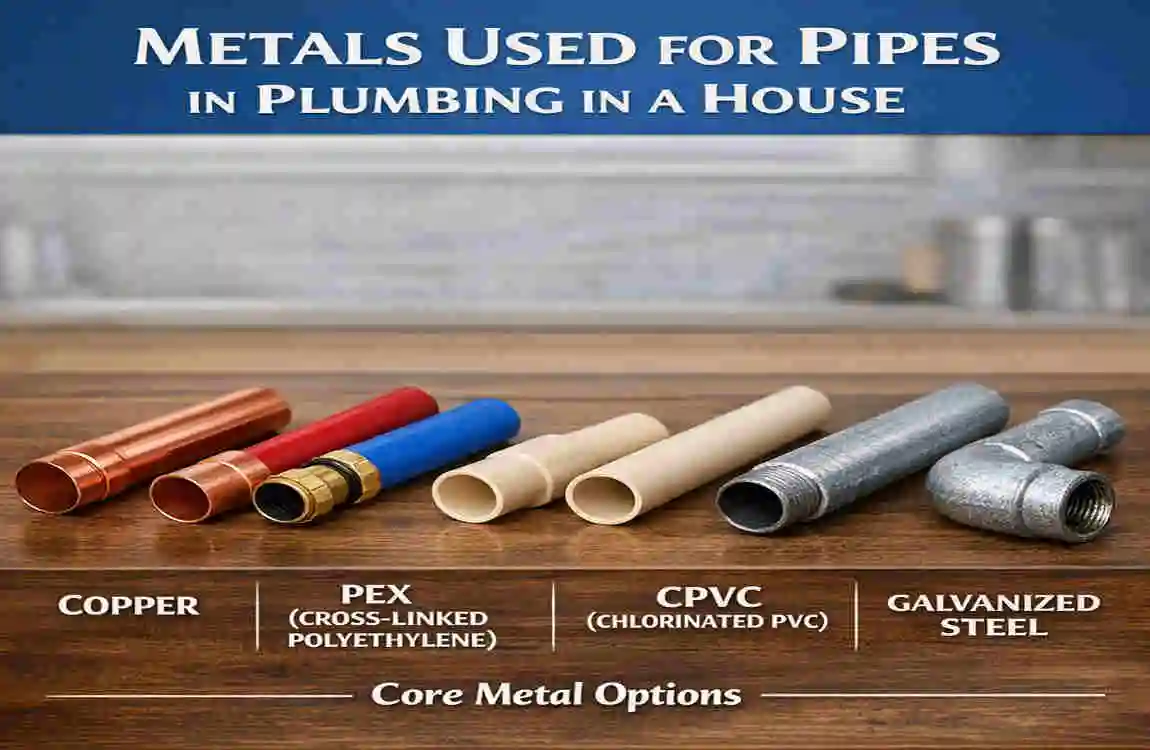
When you trace the water lines running through your basement, attic, or crawlspace, you are likely looking at one of five common materials. Let’s break down each one so you completely understand which metal is used for plumbing pipes in a house.
Copper Pipes
Whenever you hear someone ask what metal is used for pipes in plumbing in a house, copper is always the first answer. It is the reigning king of the plumbing industry, recognized instantly by its bright, shiny orange-brown color.
Types of Copper Pipe: Not all copper is created equal. Plumbers use different grades depending on the specific job.
- Type K: This is the thickest and most durable copper pipe. It is primarily used for underground water mains that run from the city street to your house. It can withstand extreme pressure and shifting dirt.
- Type L: This is the most common type of rigid copper pipe found inside your house. It is used for standard indoor water supply lines and offers a great balance of thickness and affordability.
- Type M: This is a thinner, lighter version of copper. While it is cheaper, many local building codes prohibit it for main pressurized water lines. It is often used for heating systems or light-duty drainage.
- Flexible Copper: You will also see soft, flexible copper tubing used in tight spaces. Plumbers use this to connect your main water line to appliances such as your refrigerator’s ice maker or dishwasher.
The Pros of Copper: Why are copper pipes for homes so beloved? First, copper is highly corrosion-resistant. Unlike steel, it will not rust from the inside out. Second, it has a phenomenal lifespan, often lasting 50 to 70 years or more. Third, copper is highly heat-resistant, making it ideal for your hot water lines. Finally, copper is naturally antibacterial. The metal surface actively resists the growth of harmful bacteria, keeping your family’s water clean and safe.
The Cons of Copper. However, copper is not completely flawless. The biggest drawback is the price. Copper is an expensive commodity, making a full home installation quite costly. Because of its high scrap value, copper theft from active construction sites is also a real risk.
Furthermore, you must consider your local water quality. Let’s look back at our homeowner in Lahore. Lahore is known for having very “hard” water, which means it contains high levels of dissolved minerals. Over several decades, highly acidic or extremely hard water can slowly erode the interior walls of copper, eventually leading to tiny “pinhole” leaks.
Galvanized Steel Pipes
If you live in an older home, the answer to what metal is used for pipes in plumbing in a house might unfortunately be galvanized steel.
As we mentioned in our history section, galvanized pipes are heavy steel tubes coated in a layer of zinc. You can easily identify them by their dull, metallic gray appearance and the threaded fittings used to connect them.
The Pros of Galvanized Steel. When first installed, galvanized steel is practically indestructible. It is heavy-duty and resists physical crushing or breaking. In the past, it was a very cost-effective way to build a robust plumbing network.
The Cons of Galvanized Steel: Today, the drawbacks of galvanized steel plumbing are well documented, and no modern plumber will install it for a water supply.
The primary issue is internal rusting. After 20 to 50 years, the protective zinc coating on the inside of the pipe completely wears away. The exposed steel then begins to rust aggressively. This rust builds up like plaque in human arteries, severely restricting water flow. Have you ever turned on the shower in an old house and been disappointed by a weak trickle of water? Clogged galvanized pipes are usually the culprit.
Worse yet, as these pipes corrode, they release rust and accumulated lead (often trapped from older city lines) into your drinking water. If your home still relies on galvanized steel, repiping should be at the absolute top of your renovation list.
Stainless Steel Pipes
When you ask an industrial engineer what metal is used for pipes in plumbing in a house or a commercial facility, they might excitedly point you to stainless steel.
Stainless steel looks incredible—it is sleek, shiny, and highly polished. It is created by adding chromium to standard steel, which prevents the steel from ever rusting or corroding.
The Pros of Stainless Steel Stainless steel is virtually corrosion-proof. It can survive in the harshest environments imaginable. If you live in a coastal area where salty sea air aggressively corrodes metal, or if your well water is highly acidic, stainless steel will stand up to it. It is incredibly durable and fully recyclable.
The Cons of Stainless Steel So, why don’t we use it everywhere? The answer is simple: cost and labor. Stainless steel is massively expensive—often several times the cost of copper. Furthermore, it is incredibly rigid and difficult to cut, thread, and install. Plumbers need specialized tools to work with it. Therefore, stainless steel is generally reserved for Premium, high-end installations or specialized industrial settings rather than standard residential housing.
Brass and Cast Iron Pipes
Finally, to fully answer the question of which metal is used for plumbing pipes in a house, we must mention brass and cast iron. These metals might not make up the bulk of your long water supply lines, but they play crucial supporting roles.
Brass is an alloy made of copper and zinc. Plumbers heavily rely on brass to manufacture fittings, valves, and specialized connectors. Look under your sink—the shiny valve that shuts off your water is likely made of brass. Brass is excellent for hot-water applications because it does not expand or contract significantly with temperature changes. A high-quality brass fitting can easily last over 70 years without leaking.
Cast Iron Pipes. While copper and steel bring clean water into your home, cast iron is famous for carrying dirty water out. For over a century, heavy black cast iron pipes were the standard for residential sewer and drainage lines.
Cast iron is incredibly thick, which makes it wonderfully soundproof. You rarely hear water rushing down a cast-iron drain pipe! However, it is highly susceptible to rusting over time. Most cast-iron drain lines installed in the 1950s are now reaching the end of their 50-year lifespan. They often crack, rust through the bottom, or become clogged with tree roots. Today, modern homes use PVC plastic for drains instead of cast iron.
Quick Reference: Metal Pipes Comparison Table
To help you easily digest which metal is used for plumbing pipes in a house, here is a handy cheat sheet comparing the main contenders.
Metal Type Primary Use Expected Lifespan Cost Level Corrosion Resistance
Copper Main water supply lines 50+ years High Excellent
Galvanized Steel Older home water lines 20-50 years Low (historically) Poor long-term
Stainless Steel Harsh water environments 50+ years Very High Superior
Brass Valves, fittings, hot water, 70+ years, Medium, Good
Cast Iron Sewer and drain lines 25-50 years Low Fair
Pros and Cons Comparison: Making the Right Choice
Now that we have answered the basic question of which metal is used for plumbing pipes in a house, let us look deeper into how these metals compare in real-world scenarios. If you are building a new house or renovating an old one, these comparisons will guide your choices.
Heat Tolerance and Extreme Conditions
One of the main reasons professionals prefer metal over modern plastics is heat tolerance. When you connect pipes directly to a massive, roaring water heater, the temperatures can spike significantly.
Plastics like PEX or PVC can warp, melt, or degrade if exposed to excessive heat or direct sunlight over time. Copper pipes for homes, on the other hand, laugh in the face of heat. Copper will not warp or melt under standard household conditions. It maintains its structural integrity perfectly, ensuring that your boiling-hot shower water reaches your bathroom safely. Brass shares this incredible heat resistance, which is why almost all hot-water-heater drain valves are made of brass.
Installation Ease and Labor Costs
You are not just paying for the raw material; you are paying a skilled professional to install it. The type of metal drastically impacts labor costs.
Installing copper requires an old-world skill known as “sweating” (soldering). The plumber must carefully clean the copper pipe, apply a chemical flux, and use a blowtorch to melt a ring of silver solder around the joint. It requires precision, safety gear, and time. However, once a copper joint is correctly soldered, it is incredibly secure.
Conversely, installing galvanized steel requires heavy threading machines. The plumber must cut the thick steel pipe, grind threads into the ends, wrap them in Teflon tape, and physically wrench the heavy pipes together. This is exhausting, time-consuming labor. This heavy labor requirement is yet another reason why galvanized steel has been abandoned in modern construction.
The Local Angle: Adapting to Your Environment
To truly understand what metal is used for pipes in plumbing in a house, you have to look at where that house is located. Water quality varies wildly depending on your geography.
Let us return to our example of a homeowner in Pakistan. Major cities like Lahore, Karachi, and Islamabad often struggle with varying levels of water quality. Municipal water can be heavily mineral-laden, making it “hard.”
When hard water flows through galvanized steel, it accelerates the rusting process. Within just a few years, those steel pipes can choke up with mineral scale. In these local environments, copper is vastly superior. Even though hard water can eventually wear down copper over 50 years, copper will not choke or restrict your water flow the way steel does. If a homeowner in Lahore asks a local expert which metal is used for plumbing pipes to combat hard water, the expert will strongly advocate for copper or high-grade brass.
Old Builds vs. New Builds
If you are buying a historic home built in the 1940s, you must be prepared to address the legacy issues associated with galvanized steel. You should budget for a complete “repipe” immediately. Living with 80-year-old steel pipes is a ticking time bomb for water damage and health risks.
If you are building a brand-new custom home today, your architect will almost certainly specify copper for all visible water lines and brass for all critical valves. The upfront cost is higher, but the long-term peace of mind is priceless.
Identifying Pipes in Your Home: A DIY Visual Guide
You do not need to be a master plumber to figure out which metal is used for plumbing pipes in a house. You can conduct a simple DIY inspection right now. Grab a strong flashlight, a strong refrigerator magnet, and a standard coin.
Head down to your basement, utility closet, or the area right around your water heater. Look closely at the exposed pipes running along the ceiling or walls.
Look at the Color
- Shiny Orange or Dark Brown: If the pipe looks like an old penny or a shiny new one, you have copper pipes. You are in great shape!
- Dull Gray or Silver: If the pipe is a dull, metallic gray, you likely have either galvanized steel or, very rarely, lead. We need to test further.
The Magnet Test. Take your refrigerator magnet and place it against the dull gray pipe.
- If the magnet sticks strongly, you have galvanized steel. The steel beneath the zinc is magnetic.
- If the magnet falls off, it might be made of lead or stainless steel. (Or it might be a rigid plastic pipe painted gray.
The Scratch Test (For Non-Magnetic Gray Pipes) Take your coin and gently scratch the surface of the non-magnetic gray pipe.
- If it scratches easily and reveals a shiny silver color underneath, you likely have lead pipes. Stop touching it immediately, wash your hands thoroughly, and call a professional plumber. Lead is a severe health hazard.
- If it is incredibly hard and resists scratching, you might have rare stainless steel.
Color-Coded Cuts If you have copper pipes, you might notice colored lettering printed down the side of the pipe. This tells you exactly what type of copper you have!
- Green text: Type K (thickest)
- Blue text: Type L (standard indoor)
- Red text: Type M (thinnest indoor)
If you live in Lahore, Karachi, or anywhere with complex older infrastructure and you cannot identify your pipes, do not guess. Knowing exactly what metal is used for pipes in plumbing in a house is too important to leave to chance. Call a local, licensed plumber to perform a professional home inspection.
Maintenance and Repiping Tips for Homeowners
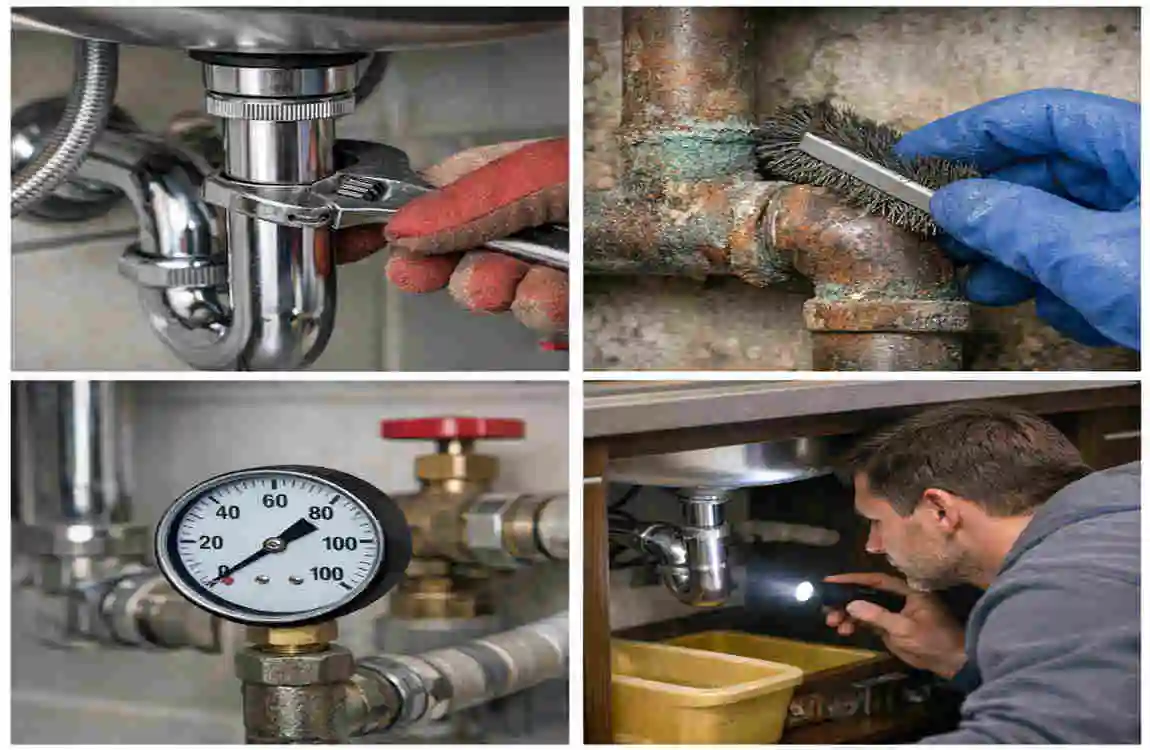
Once you know what metal is used for pipes in plumbing in a house, you must learn how to take care of it. Metal pipes are durable, but they are not invincible. Proper maintenance will add decades to their lifespan.
Preventing Corrosion in Copper Pipes
If you have discovered that your home uses beautiful copper pipes, you want to protect that investment. The biggest enemy of copper is acidic or highly mineralized hard water.
If you notice a blue-green crust forming on the outside of your copper joints, that is a warning sign. It is called oxidation, and it means a tiny pinhole leak is forming.
To prevent this, consider installing a whole-house water softener. A water softener filters out the heavy calcium and magnesium minerals before they enter your metal pipe network. By softening the water, you drastically reduce the internal wear and tear on the copper walls. Furthermore, ensure your water pressure is strictly regulated. High water pressure acts like a sandblaster inside your pipes, wearing them down prematurely. Ensure your plumber installs a Pressure Reducing Valve (PRV) at the point where water enters your home.
Navigating the Drawbacks of Galvanized Steel
What if your DIY inspection revealed galvanized steel? Unfortunately, there is no magic pill to fix internal rust. Maintenance is not an option; replacement is the only cure.
Signs You Need to Replace Galvanized Pipes Immediately:
- Brown or Yellow Water: If you turn on the tap after a weekend away and the water runs brown for a few seconds, your pipes are rusting internally.
- Low Water Pressure: If you cannot run the dishwasher and take a shower at the same time, the internal diameter of your steel pipes is severely clogged with rust.
- Frequent Leaks: If one joint springs a leak, the rest are not far behind.
The Cost of Repiping Your Home
When facing severe galvanized steel plumbing drawbacks, repiping is the only logical step. But how much will it cost?
The answer depends heavily on the size of your house and the exact metal used for plumbing pipes during the replacement.
If you choose to repipe entirely with new copper, expect to pay a Premium. In North America, copper repiping generally costs between $5 to $15 per linear foot, often resulting in a total bill of $5,000 to $10,000 for a standard home. In regions like Pakistan, the material costs are similarly tied to global copper commodity prices. However, local labor rates will be much lower.
While the upfront cost is intimidating, replacing rotting steel with fresh, clean copper adds immense resale value to your home and guarantees your family access to clean, high-pressure water.
Non-Metal Alternatives: The Rise of Plastics
In an article dedicated to answering the question of which metal is used for plumbing pipes in a house, we would be remiss if we ignored modern alternatives. While metals have ruled the industry for a century, plastics are making a massive push into residential plumbing.
PEX (Cross-linked Polyethylene) PEX is a highly flexible, durable plastic tubing that usually comes in bright red (for hot water) and blue (for cold water). Plumbers love PEX because it bends around corners like a garden hose, eliminating the need to cut and solder complex joints. It is also significantly cheaper than copper.
PVC and CPVC PVC is the rigid white plastic pipe used primarily for drains and venting. CPVC is a specialized, heat-treated version of PVC that can handle hot water supply lines.
Why Metal Still Matters. If plastics are cheaper and easier, why do we still ask what metal is used for plumbing pipes in a house? Why not use plastic for everything?
Because metals offer unmatched reliability, rodents like mice and rats have been known to chew straight through soft PEX tubing, causing disastrous floods behind drywall. Furthermore, PEX degrades rapidly if exposed to direct sunlight (UV rays).
Professional plumbers still prefer a hybrid approach. They will happily use PEX for long runs hidden inside dark walls. Still, they insist on using rigid copper and brass for visible water lines, exposed utility rooms, and crucial connections to the water heater. Metal remains the undisputed champion of strength and permanence.
Frequently Asked Questions (FAQs)
What metal is used for pipes in plumbing in a house most frequently today? Primarily, copper is the most common metal used for water supply lines in modern homes. It is highly valued for its incredible durability, heat resistance, and natural ability to resist bacterial growth and corrosion.
Are older galvanized steel pipes safe to keep in my house? Not for the long term. While they won’t burst instantly, galvanized steel pipes inevitably rust from the inside out. This rust clogs pipes, reduces water pressure, and can eventually introduce discolored water into your drinking supply. They should be replaced.
Can I mix different types of metal plumbing pipes? You must be very careful when mixing metals. If you connect copper directly to galvanized steel, a chemical reaction called “galvanic corrosion” occurs, which causes the pipes to rust and fail at the joint rapidly. A plumber must use a special brass fitting called a “dielectric union” to safely separate the two different metals.
How do I know if I have dangerous lead pipes? Lead pipes are dull gray, very soft, and easily scratched with a coin, revealing a shiny silver color underneath. Unlike steel, lead is not magnetic. If you suspect you have lead pipes, stop drinking the tap water and contact a professional plumber immediately.
Which is better for hot water: copper or plastic? While specialized plastics like CPVC and PEX can handle standard hot water, metal—specifically copper and brass—is overwhelmingly superior for extreme heat tolerance, especially right at the connection points of your water heater.
