

Scrolling Zillow or another property site can feel exciting right up until you spot a home you love and notice the words “under agreement.” Your heart drops. You wonder if you’re too late. Is the house gone? Can you still make an offer? Should you move on?
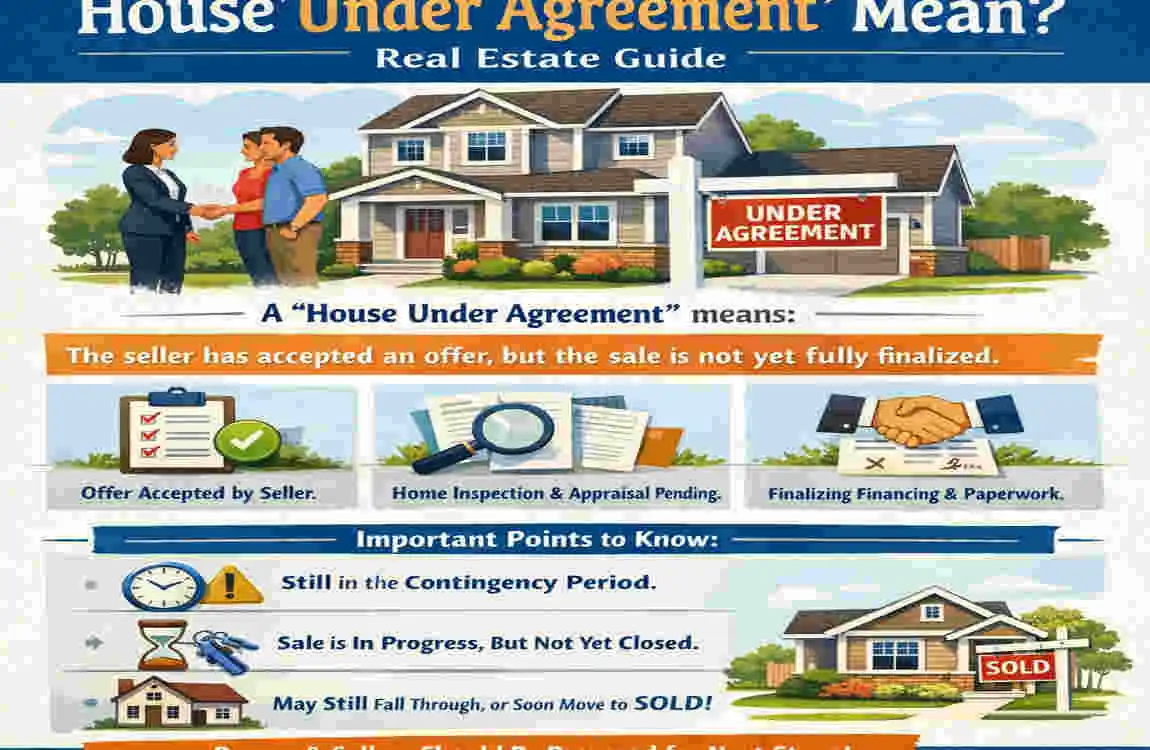
If you have asked yourself what it means when a house is under agreement, the short answer is simple: the buyer and seller have signed a purchase contract, but the sale is not yet complete. The deal still has to go through several steps before closing, including inspections, financing, appraisals, and other real estate contingencies.
What Does “House Under Agreement” Mean Exactly?
Let’s break this down in plain English.
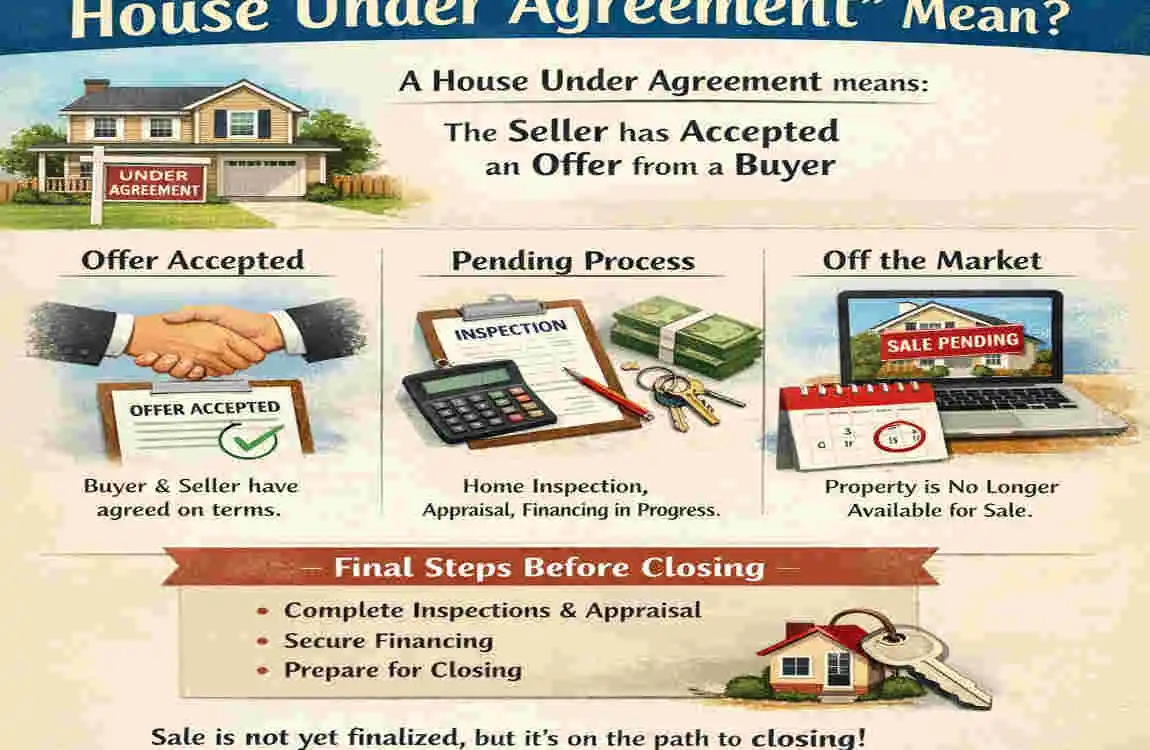
When a home is listed as under agreement, it means the seller has accepted a buyer’s offer and both parties have signed a contract. That contract sets out the price, closing date, deadlines, and conditions that must be met before the sale becomes final.
So if you are asking what does it mean when a house is under agreement, think of it as the middle stage of a home sale. The property is no longer simply “for sale,” but it has not yet been fully transferred to the buyer.
This is why the phrase often confuses.
Many people assume the house is basically sold. In reality, the transaction still has moving parts. The buyer may need mortgage approval. The home may need to pass inspection. The lender may need an appraisal. In some cases, the buyer may even need to sell their current home first.
Until those conditions are cleared, the property remains in a waiting period.
In day-to-day real estate language, under agreement often overlaps with terms like:
- under contract real estate
- property under agreement
- active under contract
- contingent
- pending
These labels can vary depending on the MLS, brokerage, region, or country. The wording changes, but the basic idea is the same: a contract exists, yet the deal has not closed.
Common Listing Terms Explained
Term Meaning MLS Status Visibility
Under Agreement Buyer and seller signed a contract, but contingencies are still active Often still visible online
Active Under Contract Contract exists, but seller may still show the property or accept backup offers Usually fully visible
Contingent Offer accepted, but specific conditions still need to be satisfied Often visible
Pending Most or all contingencies are cleared, and closing is near Sometimes limited visibility
Sold/Closed Ownership officially transferred No longer active
This difference matters more than you may think.
For example, if a listing is active under contract, you may still have a chance to step in with a backup offer. If it is pending, the odds are lower because the deal is usually farther along.
The Role of the Earnest Money Deposit
A big part of this stage is the earnest money deposit.
This is money the buyer puts down soon after signing the contract to show they are serious. In many markets, it is typically 1% to 3% of the purchase price, though the amount varies.
Here is a simple example.
If a buyer agrees to purchase a $300,000 home, they might submit an earnest money deposit of $3,000 to $9,000. That money is usually held in escrow until closing. If the transaction closes, the money is often applied to the buyer’s closing costs or down payment. If the buyer backs out for a reason not protected by the contract, they may lose it.
That is one reason the house at the under-agreement stage is important. Real money is now involved, but the final sale still depends on contract terms being met.
So, what does it mean when a house is under agreement? It means the deal is real, serious, and legally meaningful, but not yet done.
The Real Estate Stages: From Offer to Under Agreement
To better understand this status, it helps to see where it sits in the full home-sale journey.
Many buyers hear the phrase and think it is the last step. It’s not. It is a major milestone, but it sits between offer accepted and closing day.
Here’s the typical path.
Step-by-Step Timeline
- The home is listed for sale
- The seller puts the property on the market.
- A buyer submits an offer
- This includes the offered price, financing terms, closing timeline, and contingencies.
- The seller accepts the offer
- After both parties sign, the home becomes under agreement.
- Earnest money goes into escrow
- The buyer submits the earnest money deposit.
- The contingency period begins
- The buyer completes inspections, loan approval, appraisal, title review, and any other required steps.
- Issues are resolved or negotiated
- The parties may adjust price, request repairs, offer credits, or extend deadlines.
- Contingencies are removed
- Once the requirements are satisfied, the home may move to pending.
- Closing takes place
- Funds transfer, documents are signed, and ownership changes hands.
That is the full path in simple terms.
Why This Stage Matters So Much
This stage is where many transactions become smoother—or more stressful.
If the inspection reveals a damaged roof, that matters. If the appraisal comes in low, that matters. If the buyer’s financing falls apart, the whole deal can collapse.
That is why an accepted offer is not the same as a guaranteed sale.
For buyers, this period is about due diligence. You are checking whether the home is in the condition you expected and whether the numbers still make sense.
For sellers, this is the time to stay organized, responsive, and realistic. You may feel like the hard part is over, but this is actually when many practical issues appear.
How Long Does Under Agreement Last?
There is no single answer, but in many markets, the under agreement stage lasts around 30 to 60 days.
Some deals move faster. Cash offers can close in two to three weeks. In hotter markets, buyers may waive certain contingencies and shorten timelines. On the other hand, financed purchases, chain sales, or properties with title issues can take longer.
Here are some common timing factors:
- Cash buyer: often faster
- Mortgage buyer: usually slower because of lender steps
- Inspection negotiations: can add days
- Low appraisal: may delay or disrupt the sale
- Home sale contingency: often extends the timeline
- Title or legal issues: can create major delays
So if you see a property under agreement for several weeks, that is not automatically a bad sign. It may mean the normal closing process is underway.
Key Contingencies That Keep It “Under Agreement”
Now let’s get to the heart of the matter.
A home stays under agreement because one or more real estate contingencies still need to be satisfied. A contingency is a condition that must be met for the sale to proceed.
This is what separates a signed contract from a closed deal.
If you really want to understand what does it mean when a house is under agreement, you need to understand contingencies. They are the reason the home is tied up, but not fully sold.
Inspection Contingency
The inspection contingency gives the buyer time to hire a professional home inspector.
The inspector looks at the major systems and structure of the property, including things like:
- roof
- plumbing
- electrical
- HVAC
- foundation
- windows and doors
- water damage
- safety issues
This does not mean the buyer expects a perfect house. Almost every home has some issues. The point is to determine whether the problems are small and manageable, or so expensive that they change the deal.
After the inspection, the buyer usually has a few options:
- accept the property as-is
- ask the seller to make repairs
- request a credit
- renegotiate the purchase price
- cancel the deal if the contract allows it
This is one of the most common reasons a deal gets delayed or renegotiated.
Financing Contingency
The financing contingency protects the buyer if they cannot secure a mortgage.
Many buyers get pre-approved before shopping, which helps a lot. But pre-approval is not the same as final loan approval. Lenders still verify income, debts, assets, employment, and the property itself.
A buyer can run into trouble if:
- their job changes
- their debt increases
- their credit score drops
- the lender’s underwriting rules become an issue
- required documents are missing or delayed
If the buyer cannot obtain financing and the financing contingency is still active, they may be able to exit the contract without losing the earnest money deposit.
For sellers, this is why a strong pre-approval letter matters. For buyers, this is why you should avoid big financial changes after signing the contract.
Appraisal Contingency
If the buyer is using a mortgage, the lender will usually order an appraisal.
The appraisal checks whether the home’s value supports the loan amount. If the buyer agreed to pay $400,000 but the appraiser says the property is only worth $375,000, the lender may not approve the full loan.
When that happens, several things can follow:
- the buyer pays the difference in cash
- the seller lowers the price
- both sides meet somewhere in the middle
- the deal falls apart
This can be frustrating because both parties may feel the contract price is fair. Still, the lender relies heavily on the appraisal.
Home Sale Contingency
A home sale contingency means the buyer needs to sell their current home before they can complete the new purchase.
This is more common in balanced or slower markets. In aggressive seller’s markets, sellers often prefer buyers who do not have this condition.
Still, for many buyers, it is the safest path.
Without a home sale contingency, a buyer might end up carrying two homes at once or buying before they have enough cash from the first sale. With it, they reduce risk—but sellers may see them as less certain.
This is especially worth thinking about in places where families move carefully and rely on sale proceeds to fund the next purchase. If you are navigating a market like, this contingency can feel practical and financially responsible.
Title and Legal Contingencies
A title review checks whether the seller actually has the legal right to transfer the property and whether there are any claims or liens attached to it.
Problems can include:
- unpaid taxes
- ownership disputes
- clerical errors
- inheritance complications
- unresolved legal claims
These are less visible than inspection issues, but they can create major delays.
What Is a Contingent Offer?
A contingent offer is an offer that depends on one or more conditions being met. In other words, the buyer is saying, “I want to buy this home, but only if these things happen first.”
That sounds reasonable because it is.
Most financed home purchases are contingent in some way. The word itself is not a red flag. It simply means the deal still has checkpoints.
Here is how a contingent offer can look from both sides.
PerspectiveProsCons
Buyer More protection, time for due diligence, lower risk Less attractive in competitive markets
Seller Keeps a deal moving, may attract more buyers Greater chance of delays or cancellation
In some contracts, sellers also use a kick-out clause. This allows the seller to continue marketing the home and, in certain situations, accept another offer unless the first buyer removes a contingency within a set timeframe.
This is common when the first buyer has a home sale contingency.
Can You Still Buy a House Under Agreement?
The short answer is: sometimes, yes.
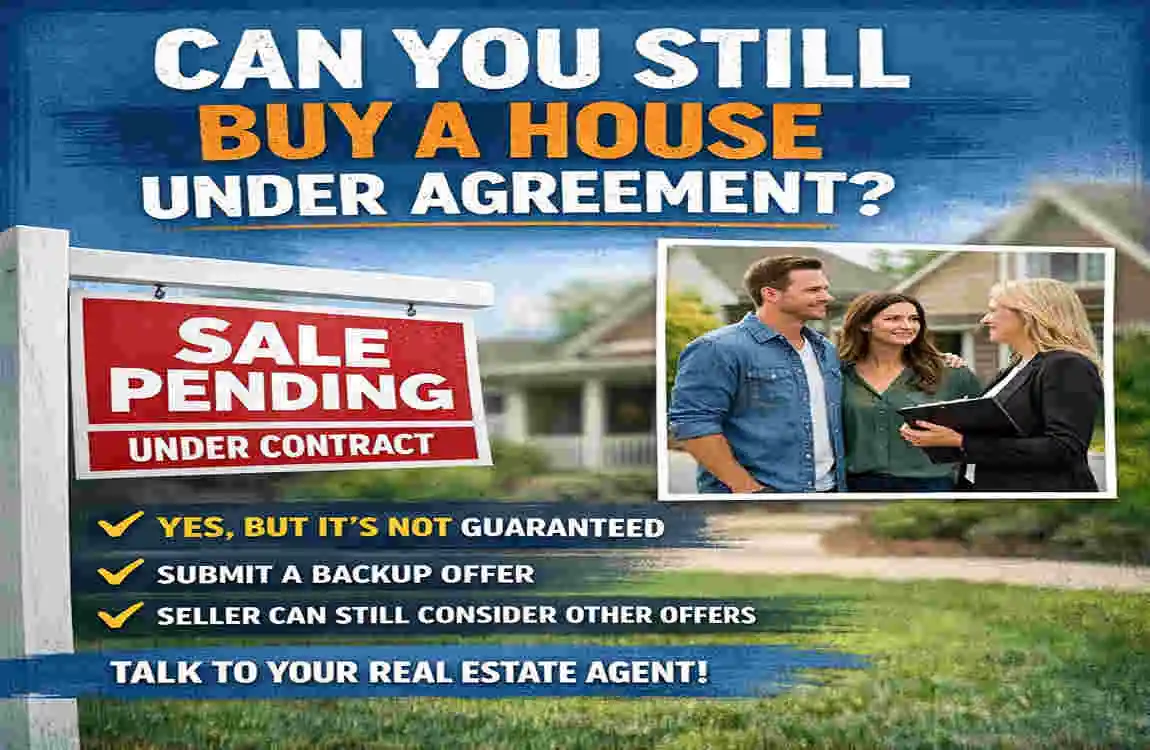
Many buyers assume an underagreement home is completely off-limits. That is not always true. If the listing is marked active under contract, the seller may still accept backup offers.
That means if the first buyer fails inspection, loses financing, misses deadlines, or walks away, your backup offer could move into first position.
This is one of the biggest reasons not to give up too quickly.
If you are asking what it means when a house is under agreement and you still want the property, the answer is not always “move on.” Sometimes it means “stay interested, but be strategic.”
When You May Still Have a Chance
You may still be able to act if:
- the listing is active under contract
- the seller allows backup offers
- the first buyer has major contingencies
- the contract includes a kick-out clause
- the market is moving slowly and the seller wants options
This does not mean you should pin all your hopes on one house. It means there may still be an opening.
Backup Offers and Kick-Out Clauses
A backup offer is exactly what it sounds like. You submit an offer in case the first deal fails.
If the first contract is canceled, the seller can move to your offer without having to start from scratch. That can save time and keep momentum alive.
A kick-out clause adds another layer. It usually occurs when the first buyer has a home-sale contingency. If a second buyer submits a stronger offer, the seller can tell the first buyer to remove that contingency or step aside.
This creates pressure on the first buyer and flexibility for the seller.
If you want to pursue this strategy, act professionally:
- Ask your agent about the current status.
- Find out whether backup offers are being accepted.
- Submit a clean, serious offer with strong financing.
- Be patient, but stay available.
A backup offer should still be a real offer. Sellers will not take it seriously if it looks weak or uncertain.
Need backup strategy? Schedule a consult.
Seller Tips: Managing a House Under Agreement
If you are the seller, reaching this stage feels like a relief. But don’t switch off mentally too early.
A house under agreement still needs attention. The best sellers stay organized until the closing is complete.
Keep Communication Tight
Respond quickly to inspection requests, document requests, and scheduling needs.
Slow communication causes unnecessary tension. Buyers get nervous when sellers disappear during contract week. Lenders and attorneys also need timely information.
Be Ready for Inspection Negotiations
Many sellers make the mistake of taking inspection findings personally.
Try not to.
Most inspection reports look long and alarming, even when the issues are normal. Focus on what is truly material. Safety issues, roof damage, plumbing leaks, electrical concerns, and structural problems deserve serious attention. Small cosmetic items usually do not.
A calm and practical response helps keep the deal alive.
Understand the Risk Isn’t Gone Yet
Even after the contract is signed, deals can still fail.
Common reasons include:
- financing denial
- low appraisal
- title problems
- inspection disputes
- buyer cold feet
- missed deadlines
That is why some sellers continue limited marketing when the listing is active under contract.
Should You Keep Showing the Property?
That depends on the status and the agreement.
If your agent recommends keeping the property available for backup offers, occasional showings may make sense. If the deal is strong and far along, you can stop showings and focus on closing.
The right choice depends on the buyer’s financial strength, the contingencies in place, and how confident you are in the deal.
Have Your Closing Paperwork Ready
Do not wait until the last week to gather what you need.
Prepare:
- repair receipts
- warranties
- title-related documents
- utility records
- ID and legal paperwork
- moving timeline
- final clean-out plan
Under Agreement in 2026 Markets: US and Pakistan Focus
The phrase is used across many real estate markets, but its appearance can vary.
In the United States
In the US, listing statuses are often driven by MLS rules, local board standards, and brokerage practices.
One region may label a home contingent, while another may use ‘under agreement‘ or ‘active under contract‘. The meaning is close, but the visibility and marketing rules may differ.
That is why buyers should not rely only on the label. Ask what the status allows in that specific market:
- Are backup offers allowed?
- Are showings still happening?
- Have contingencies been cleared?
- Is the deal near closing?
Those questions matter more than the wording itself.
In Pakistan and Lahore
In Pakistan, and especially in markets lik, the process can feel less standardized than in major US MLS systems. Terms may not appear in the same formal listing structure. In some cases, people rely heavily on brokers, personal networks, and informal verbal discussions before paperwork is finalized.
That creates risk.
If you are buying or selling in, the safest approach is to push for clear written agreements, documented timelines, and stated conditions. Do not rely only on verbal promises. A property may feel “booked” socially, but unless the terms are documented properly, confusion can follow.
So while the language may differ, the lesson is the same: a signed and clearly written contract protects everyone better than a casual understanding.
FAQs: House Under Agreement Explained
What does it mean when a house is under agreement?
It means the buyer and seller signed a purchase contract, but the sale is not final yet. The home is usually waiting on contingencies like inspection, financing, appraisal, title work, or other closing steps.
Is a house under agreement sold?
No. It is not fully sold yet.
This is one of the biggest misconceptions. A signed contract is serious, but the transaction can still fall through before closing. Until the deed transfers and the deal closes, the sale is not complete.
Can I still make an offer on a house under agreement?
Yes, sometimes.
If the status is active under contract or the seller is accepting backup offers, you may still submit an offer. If the first contract fails, your offer could move forward next.
What is the difference between under agreement and pending?
In most cases, “under agreement” means the contract is signed but the contingencies are still active. Pending usually means most or all contingencies have been removed and the sale is much closer to closing.
Think of under agreement as earlier in the process and pending as later.
How long can a house stay under agreement?
Often about 30 to 60 days, but it can be shorter or longer depending on financing, inspections, appraisals, title work, and local customs.
Cash deals are often quicker. Complex financed deals usually take longer.
