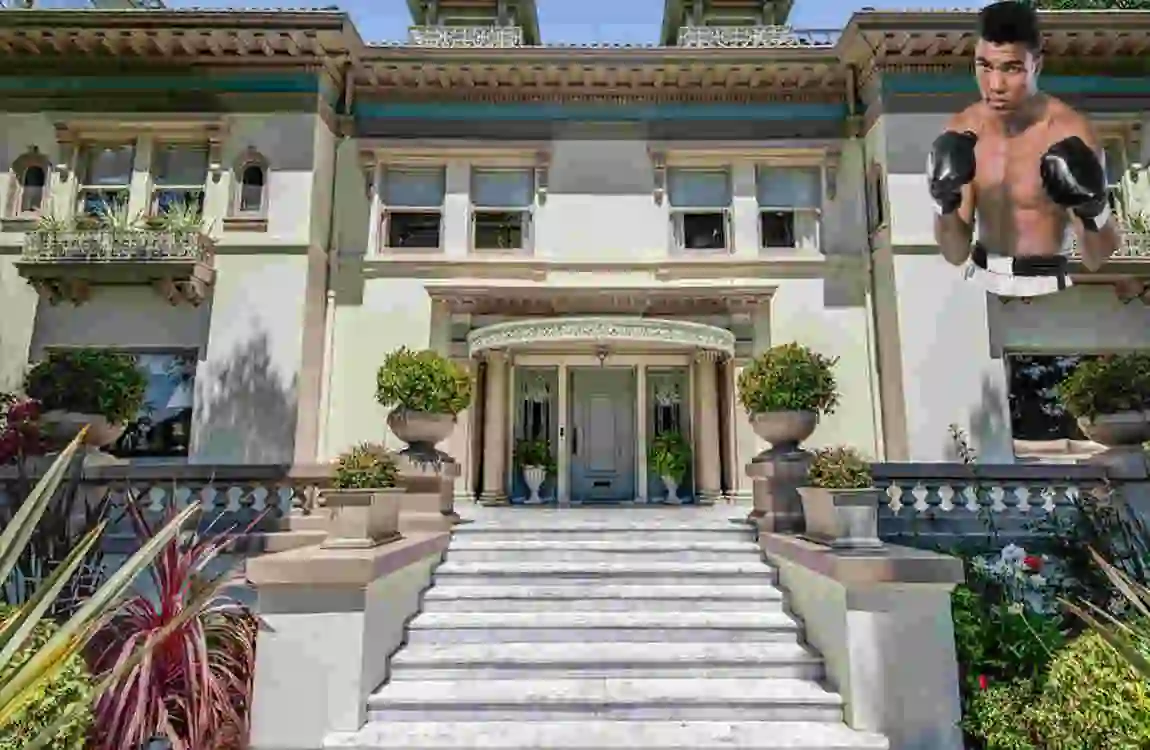

Muhammad Ali’s name echoes across the world—not only as one of the greatest boxers in history but also as a cultural icon and activist. While many know him for his legendary fights and fearless stance on social issues, few realize that his life story is deeply reflected in the homes he lived in. Each Muhammad Ali house tells a unique tale of his journey—from humble beginnings to global stardom, from private family moments to public triumphs.
The Muhammad Ali House in Cherry Hill, New Jersey
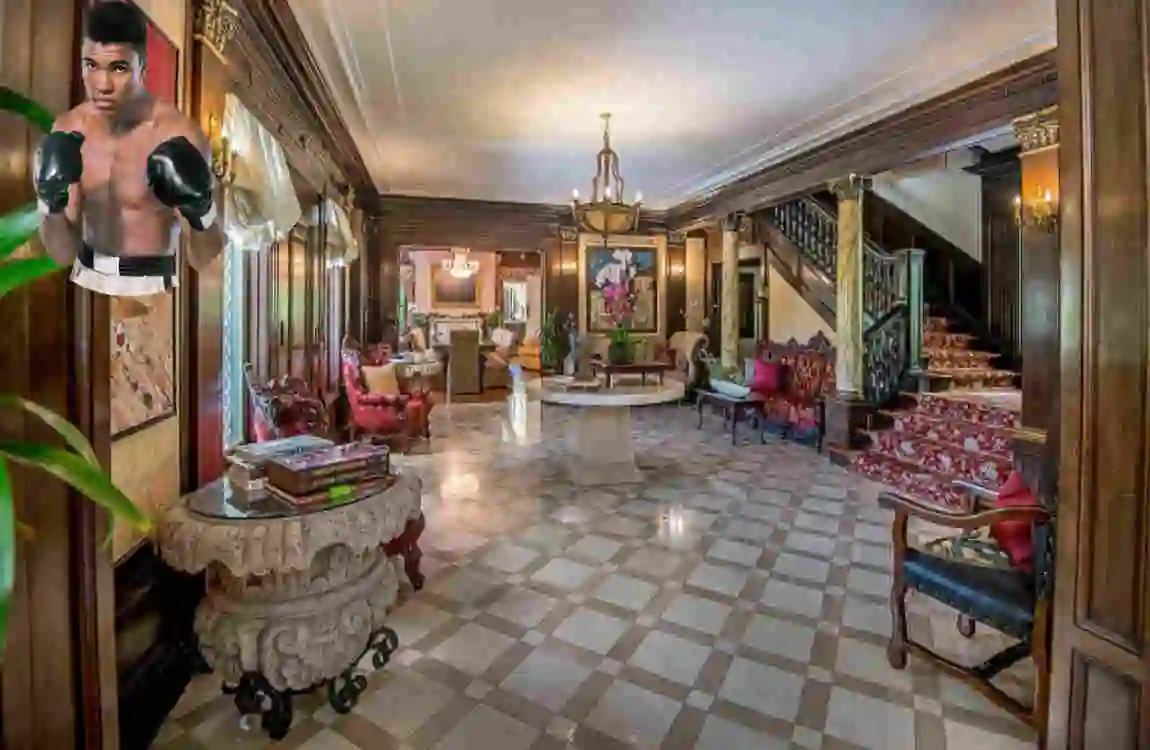
Why He Moved to Cherry Hill
In the late 1970s and into the 1980s, Muhammad Ali owned a residence in Cherry Hill, New Jersey. This suburban location was a deliberate choice. Cherry Hill offered privacy away from the media frenzy that often surrounded him. It was a peaceful retreat for Ali and his family, providing a base for training and recovery during his intense boxing career.
The location was also practical—close enough to major cities like Philadelphia and New York for business and media appearances, yet secluded enough to offer tranquility.
Design and Features of the House
The Muhammad Ali house in Cherry Hill was notably larger and more modern than his childhood home. It featured a sprawling layout with multiple bedrooms, entertainment spaces, and outdoor amenities. Noteworthy was the presence of a swimming pool and a dedicated training area that Ali used, blending home life with his athletic needs.
The house also included spaces designed for family gatherings and guests, reflecting Ali’s role as a family man who valued community. Additionally, some reports mention rooms set aside for religious practice, showcasing the importance of spirituality in his daily life.
Role in His Personal Life
This home served as a sanctuary. After grueling training sessions or fights, Ali could retreat here to recuperate and spend time with loved ones. It was less about public spectacle and more about private moments—quiet dinners, family celebrations, and spiritual reflection.
The Cherry Hill house occasionally made headlines during media visits or public events. Still, it remained, for the most part, a personal haven for the champ.
Preservation and Public Interest
While the Muhammad Ali house in Cherry Hill no longer belongs to the family, it has attracted interest from local historians and fans. The house has undergone renovations over the years, so it looks different from the way it did during Ali’s time. However, it remains a significant site in the narrative of his life.
The legacy of this house is often highlighted in discussions about Ali’s life off the ring. In this place, he could be a husband and father, away from the spotlight.
The Legendary Louisville Mansion
The “Muhammad Ali House” in Louisville Suburbs
The crown jewel among Ali’s residences is his magnificent mansion located in the Louisville suburbs. Purchased in the 1980s, this estate became the most famous Muhammad Ali house. It represented the pinnacle of his success—not just in boxing but as a public figure and philanthropist.
Located on expansive grounds, the mansion was not just a home but a lifestyle statement. It was large enough to accommodate training, family, and guests while providing the privacy Ali valued.
Layout and Luxury Features
The mansion included a spacious main house with multiple bedrooms and living areas, guest houses for visitors, and dedicated training facilities. There was a fully equipped gym, a large swimming pool, and expansive gardens.
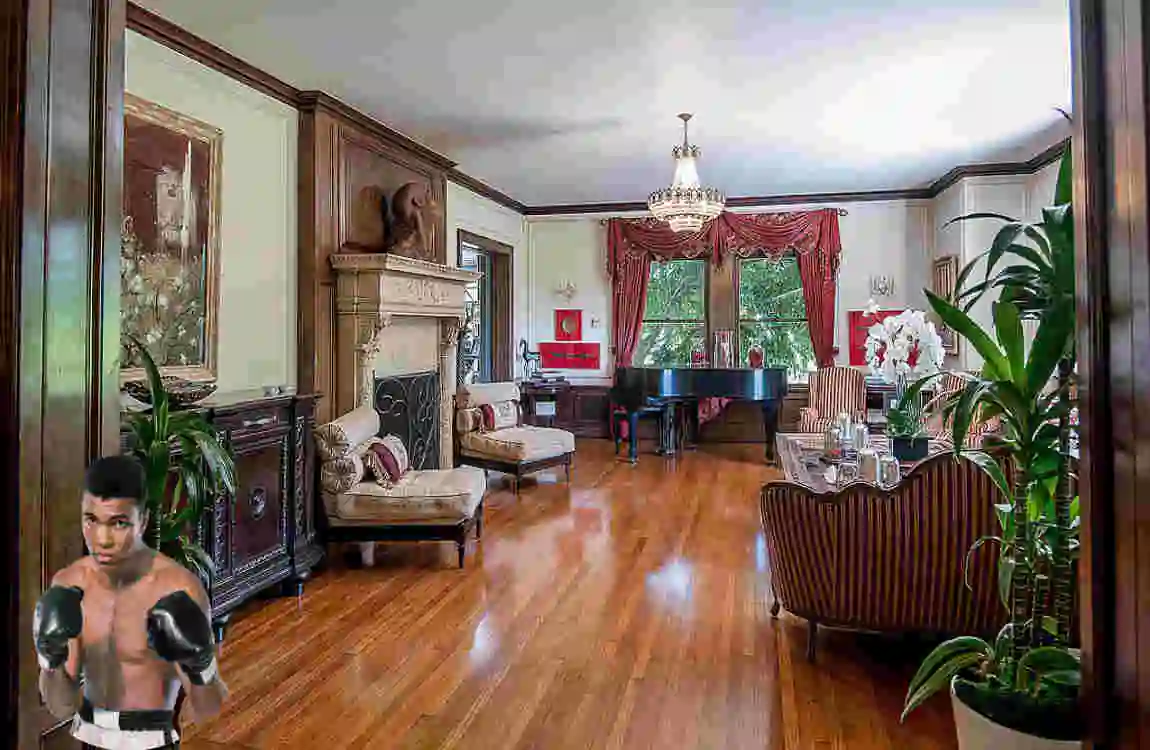
Inside, the décor blended luxury and personal touches. Walls displayed artwork, Islamic calligraphy reflecting Ali’s faith, and memorabilia from his boxing career. The furniture was elegant but comfortable, designed to welcome family and friends.
A Training Camp and Spiritual Retreat
This Muhammad Ali house mansion was more than a residence; it was a training camp and spiritual retreat. Ali used the gym to stay in shape, while meditation and prayer spaces helped him connect with his beliefs.
Family gatherings here were frequent and meaningful. The mansion served as a backdrop for celebrations, charity events, and quiet moments of reflection.
Media and Pop-Culture Appearances
The Louisville mansion has featured in documentaries, interviews, and photo shoots, offering fans a rare glimpse into Ali’s private world. These appearances helped shape the public’s understanding of his life beyond the ring.
The term “legendary Louisville Muhammad Ali house” is often used to describe this estate, emphasizing its iconic status.
Other Muhammad Ali Houses Around the World
Short Stay Properties and Rental Homes
Throughout his career, Ali stayed in various homes worldwide—whether rented or owned temporarily. These included places in major U.S. cities as well as overseas properties during tours and flights.
Many of these houses functioned as rest stops or business bases, providing him comfort and security while traveling.
Globetrotting Icon, Global Homes
Ali’s global fame meant that wherever he went, the Muhammad Ali house was a symbol of his unique personality. These homes reflected his faith, his status, and his need for privacy amid fame.
Each property, no matter how temporary, carried the weight of his legacy.
Architecture and Design Style of Muhammad Ali’s Houses
How His Taste Evolved
Looking at his homes, you can see a clear evolution. Muhammad Ali’s childhood home was simple and functional, built for a working-class family. In contrast, the Louisville mansion showcased opulence, space, and custom design—an architectural journey mirroring Ali’s rise.
Interior Decor and Personal Touches
His homes featured warm color schemes, often with Islamic art and personal memorabilia. Photographs from his boxing career, charity awards, and religious items were common. This blend made his houses feel personal and purposeful.
security and Privacy Features
Given Ali’s celebrity, security was crucial. Gated entrances, security staff, and strategic layouts ensured privacy. These features allowed him to enjoy family life while protecting himself from constant public attention.
The Cultural and Emotional Impact of Muhammad Ali Houses
Homes as Symbols of Triumph
The Muhammad Ali house is a metaphor for his journey—from poverty to global fame. Each home marks a chapter: childhood struggles, family life, and ultimate success.
Impact on Fans and Communities
Fans often visit these homes to connect with Ali’s story. Some locations have sparked local tourism and community pride, turning the homes into cultural landmarks.
How These Houses Tell His Story
Walking—or even virtually touring—a Muhammad Ali house allows people to step closer to his life. These spaces narrate a story of resilience, faith, and greatness.
Current Status and Preservation of Muhammad Ali Houses
Is the Childhood Muhammad Ali House Still Standing?
The original Muhammad Ali house in Louisville still stands, with preservation efforts underway. It is sometimes open for tours and events, though it remains primarily a private residence.
The Louisville Mansion Today
The mansion remains in the family’s hands, with ongoing discussions about preservation. It is considered a cultural treasure and a potential historic site.
Heritage and Legacy Considerations
There is growing momentum to designate these homes as historic landmarks. The phrase “Muhammad Ali house historic site” reflects this desire to protect and honor his legacy.
Muhammad Ali House FAQ
Where was Muhammad Ali’s childhood house located?
Muhammad Ali’s childhood house is located in the West End neighborhood of Louisville, Kentucky.
Is the original Muhammad Ali childhood home open to the public?
The childhood home is preserved but remains primarily a private residence; occasional tours or events may be available.
What is special about Muhammad Ali’s Louisville mansion?
The Louisville mansion was a luxurious estate serving as both a family home and training facility, reflecting his peak success.
Did Muhammad Ali have a home outside Kentucky?
Yes, he owned a house in Cherry Hill, New Jersey, which served as a private family retreat during the late 1970s and 1980s.
Are Muhammad Ali’s houses recognized as historic landmarks?
Some homes are under preservation efforts and are considered candidates for historic landmark status due to their cultural significance.
Can I visit Muhammad Ali’s houses virtually?
Yes, virtual tours, documentaries, and online galleries are available for fans who cannot visit in person.
Where Does Muhammad Ali Currently Live?
Muhammad Ali is no longer alive, so he does not currently live anywhere.
Muhammad Ali House photo