

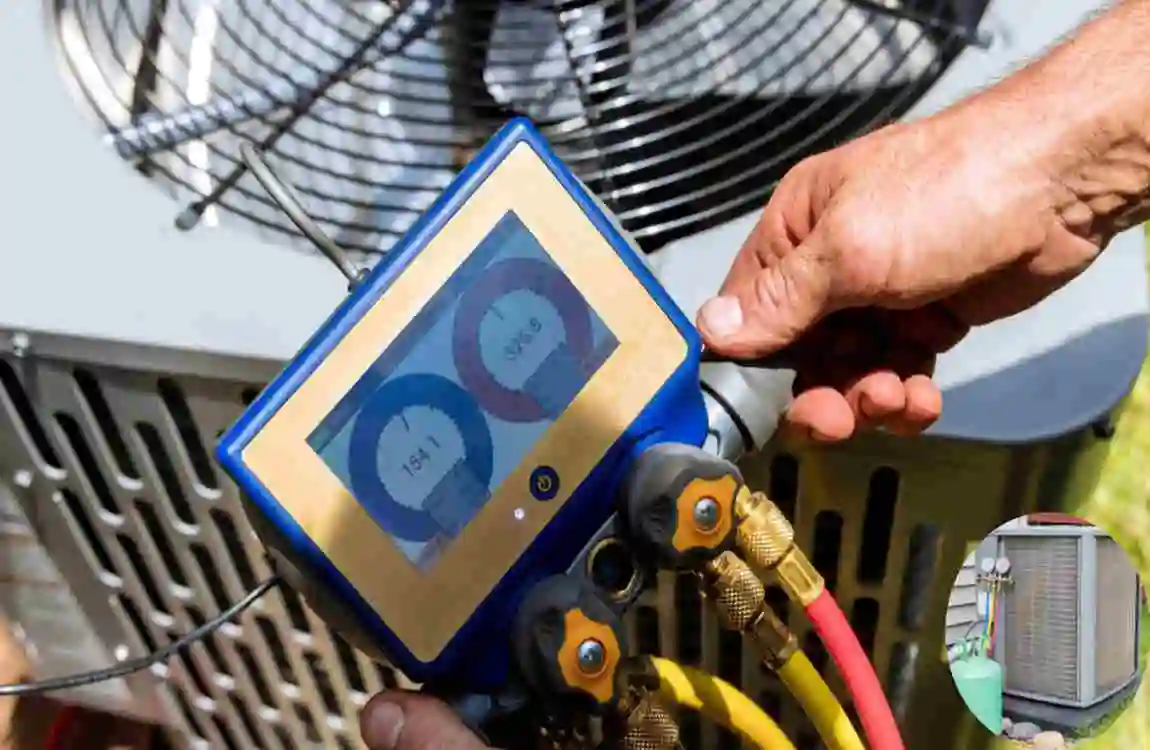
If you’ve been searching, “Can I put Freon in my house AC?” you’re definitely not alone. Many homeowners run into cooling problems and immediately think the solution is “adding Freon.” It sounds simple. But in reality, it’s not that straightforward.
Air conditioning becomes extremely important when the weather gets hot and uncomfortable. Whether you live in a dry, scorching area or a humid climate, your AC is what keeps your home livable. So when it stops cooling properly, it can feel urgent and stressful.
This is where confusion usually begins. Many people still use the term “Freon” to refer to all types of refrigerants. However, modern air conditioners use different chemicals, and handling them is not something you should do casually.
What Is Freon and How Does It Work in a Home AC System?
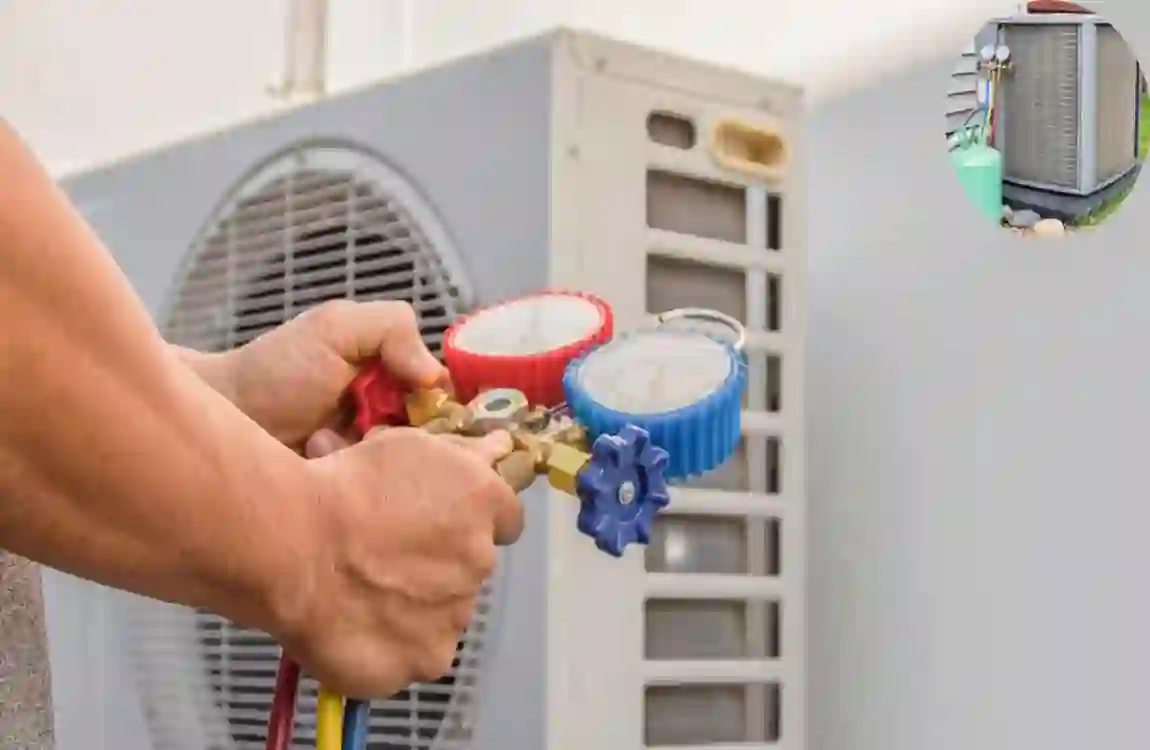
To understand whether you can put Freon in your AC, you first need to know what it actually does. Many homeowners hear the word but don’t fully understand its role.
Freon is a type of refrigerant, the chemical that makes cooling possible in your air conditioner.
Understanding Freon (Refrigerant Basics)
Freon is a brand name commonly used for older refrigerants, such as R-22. Modern systems now use alternatives such as R-410A and other eco-friendlier gases.
Even though the name “Freon” is still popular, it’s mostly used in everyday conversation rather than technical HVAC work today.
The main job of refrigerant is simple:
- It absorbs heat from inside your home
- It releases that heat outside
- It repeats this cycle continuously
Without refrigerant, your AC is a fan with no cooling power.
How Your Home AC Uses Refrigerant
Your air conditioner works in a loop system. Here’s the simplest way to understand it:
- Warm air from your home enters the AC system
- The refrigerant absorbs the heat from the air
- The system compresses the refrigerant gas
- Heat is released outside your home
- Cool air is sent back into your rooms
This cycle keeps repeating until your home reaches the temperature you set.
The key point here is important: refrigerant does not get “used up” like fuel. It keeps circulating inside a closed system.
So if your AC is low on refrigerant, it usually means there is a leak, not that it naturally ran out.
Is Freon Still Used in Modern AC Units?
Not really.
Older homes may still use R-22 (Freon), but it has been phased out due to environmental concerns.
Today, most home AC systems use:
- R-410A (very common)
- R-32 (in newer systems)
- Other eco-friendly blends
Because of this change, getting “Freon” is not as simple or common as it used to be.
Can I Put Freon in My House AC?
Now, let’s answer the main question clearly: Can I put Freon in my house AC?
The short answer is: No, you should not do it yourself.
But let’s break it down properly so you understand why.
Short Answer: Should Homeowners Do It Themselves?
In most countries, including the U.S., refrigerant handling is regulated by environmental authorities such as the EPA (Environmental Protection Agency).
This means:
- You need certification to handle refrigerants legally
- You need special tools and equipment
- You must follow safety procedures
So even if it looks like a simple refill job, it is actually a regulated technical task, not a home DIY project.
Why Adding Freon Yourself Is Not Recommended
Trying to add refrigerant on your own can create more problems than it solves.
Here’s why:
Risk of overcharging the system
Too much refrigerant can damage your compressor, which is one of the most expensive parts of your AC.
Health and safety hazards
Refrigerants are not safe to inhale or touch directly. They can cause burns or breathing issues.
Environmental damage
Releasing refrigerant into the air contributes to pollution and environmental harm.
Lack of proper tools
Professionals use gauges, leak detectors, and vacuum pumps—tools most homeowners don’t have.
When Refrigerant Actually Needs Refilling
This is something many people misunderstand.
Your AC does NOT need refrigerant regularly.
If the refrigerant is low, it usually means:
- There is a leak in the system
- A connection or coil is damaged
- The system was improperly installed or serviced
Signs that something is wrong may include weak cooling or ice buildup, which we’ll discuss later.
What Professionals Do Instead
Instead of simply “adding Freon,” HVAC technicians follow a proper process:
- They check for leaks first
- They repair the damaged part
- They vacuum the system to remove air and moisture
- Then they add the correct amount of refrigerant
This ensures your system works safely and efficiently.
Signs Your House AC May Be Low on Freon
If your AC is not cooling properly, it does not automatically mean low refrigerant. However, some signs can point in that direction.
Weak Cooling Performance
If your AC is running but your home still feels warm, it may indicate a problem with refrigerant levels or airflow.
You might notice:
- The air is not as cold as before
- Rooms take longer to cool
- Uneven cooling across the house
Ice Formation on AC Coils
This is a common warning sign.
When the refrigerant levels are low, pressure drops, and the coils can freeze.
You may see:
- Ice on indoor coils
- Frost on copper lines
- Water drips when the ice melts
Hissing or Bubbling Sounds
If you hear strange sounds from your AC, it could be a refrigerant leak.
These sounds often come from:
- Small holes in coils
- Loose connections
- Pressure escaping gas
Higher Electricity Bills
When your AC struggles to cool properly, it runs longer and consumes more energy.
So you may notice:
- Sudden increase in electricity bill
- AC is running more than usual
Longer Cooling Cycles
If your AC used to cool your room quickly but now takes much longer, something is not right.
Risks of Adding Freon to Your Home AC Yourself
Trying to handle refrigerant on your own might seem like a money-saving idea, but it can lead to serious risks.
Health and Safety Risks
Refrigerants can be dangerous when handled incorrectly.
Possible risks include:
- Skin burns from direct contact
- Breathing problems if leaked gas is inhaled
- Eye irritation or injury
System Damage Risks
Incorrect refrigerant levels can seriously damage your AC.
Problems include:
- Compressor overheating
- System pressure imbalance
- Permanent mechanical failure
Legal Issues
In many regions, handling refrigerants without certification is illegal.
Professionals must complete training and follow strict environmental rules.
Environmental Impact
Older refrigerants like R-22 were harmful to the ozone layer.
Even modern refrigerants can contribute to greenhouse gas emissions if released improperly.
How Professionals Safely Handle Refrigerant in Home AC Systems
Instead of guessing or topping up refrigerant, professionals follow a step-by-step process.
AC Inspection and Diagnosis
Technicians first check:
- Cooling performance
- Pressure levels
- System behavior
This helps them confirm whether the refrigerant is actually the issue.
Repairing the Leak
If a leak is found, it must be fixed before anything else.
This may include:
- Sealing small leaks
- Replacing damaged coils or pipes
Vacuuming the System
Before adding refrigerant, the system is vacuumed to remove:
- Air
- Moisture
- Contaminants
This step is very important for long-term performance.
Recharging Refrigerant Properly
Finally, the technician adds the exact amount of refrigerant needed.
They ensure:
- Correct type (R-410A, etc.)
- Proper pressure levels
- Manufacturer guidelines are followed
Cost of Adding Freon in a House AC
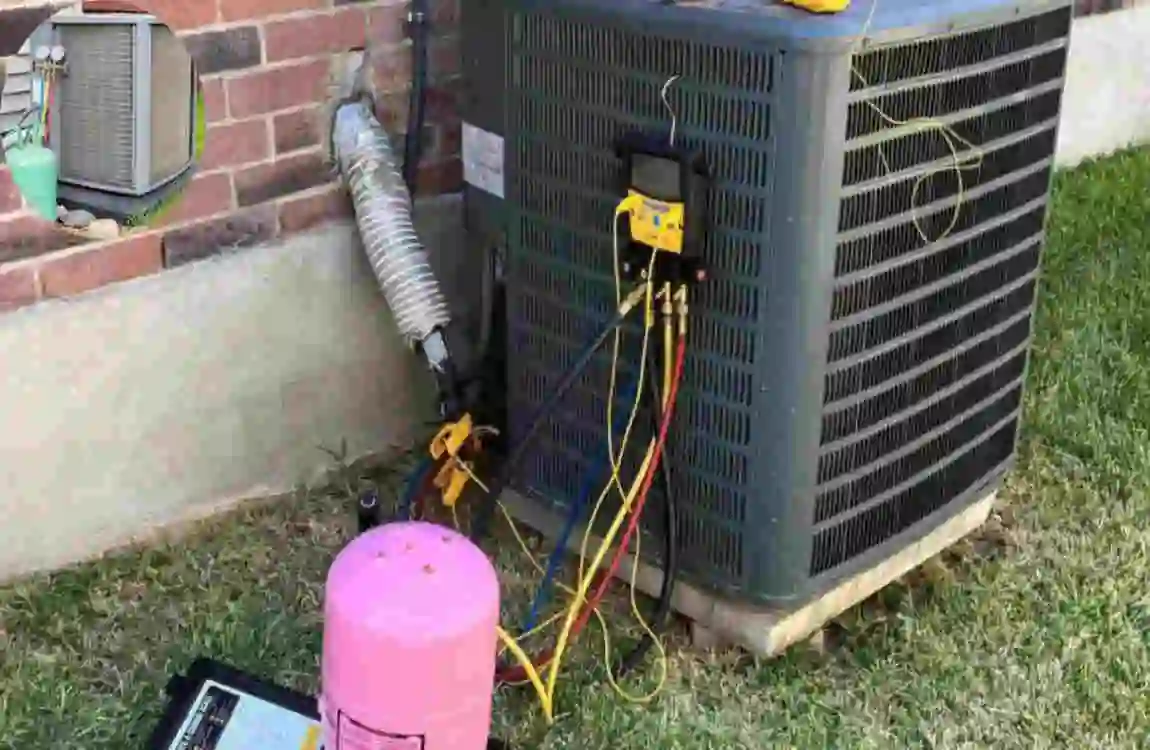
The cost depends on several factors, but it is not just about “adding gas.”
Average Service Costs
On average, homeowners may pay:
Service TypeEstimated Cost
Basic inspection, low cost
Leak repair: Medium to high
Refrigerant refill depends on the type
Full system service: Higher cost
Factors That Affect Price
- Type of refrigerant used
- Size of AC system
- Severity of leak
- Labor charges in your area
Why Cheap DIY Is Risky
Trying to save money with DIY can actually lead to:
- Compressor replacement costs
- Full system breakdown
- Higher long-term repair bills
Preventing Freon Leaks in Your Home AC
The best solution is prevention.
Regular Maintenance Tips
- Get your AC serviced once a year
- Clean filters and coils regularly
- Check airflow and vents
Proper Usage Habits
- Don’t set extreme temperatures
- Avoid running the AC nonstop for long hours
- Use ceiling fans to support cooling
Early Leak Detection
- Pay attention to cooling changes
- Watch for unusual sounds
- Call a technician early
Frequently Asked Questions (FAQ)
Can I put Freon in my house’s AC by myself?
No, it requires training, certification, and special tools. It is not a safe DIY task.
How do I know if my AC needs Freon?
Common signs include weak cooling, ice formation, and hissing sounds.
Is Freon dangerous for homeowners?
Yes, it can be harmful if inhaled or handled incorrectly.
How long does Freon last in an AC?
It can last for years unless there is a leak in the system.
What happens if the AC runs low on refrigerant?
Your AC will lose cooling efficiency and may eventually stop working properly.
