

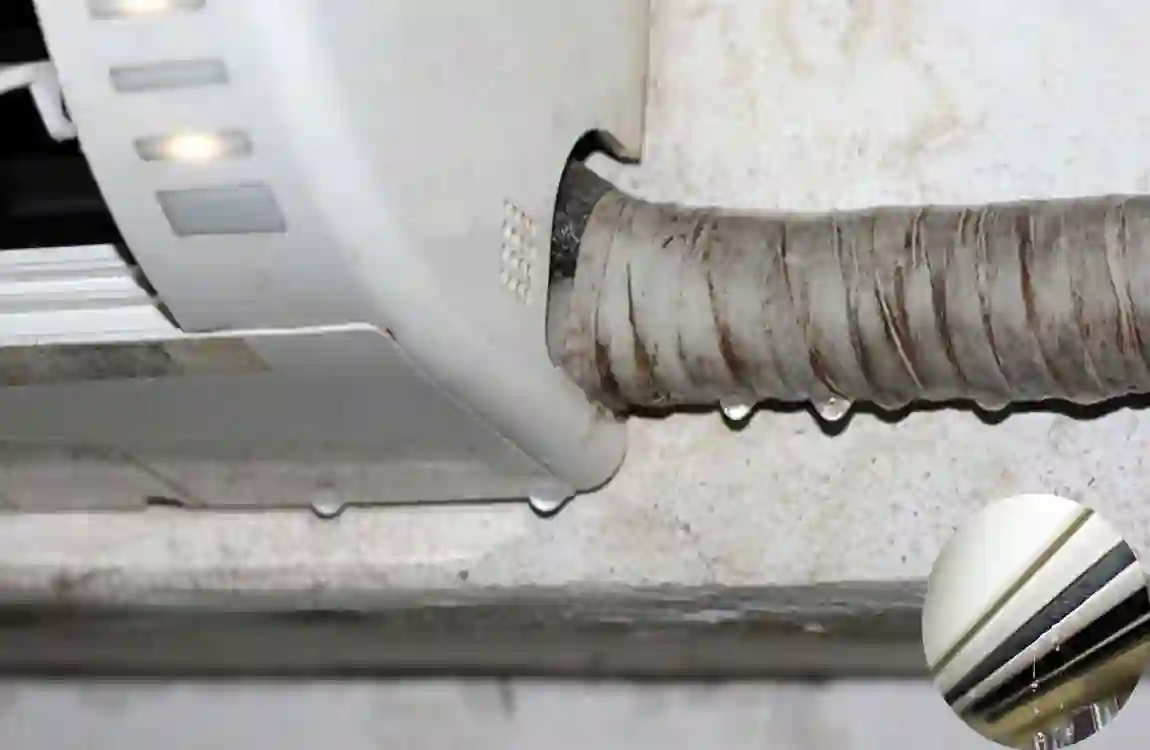
Finding your a/c leaking water in the house can be frustrating, stressful, and messy—especially during the hottest days of summer when your cooling system works overtime. You walk into a room expecting cool comfort, only to discover a puddle of water beneath your AC unit, soaked carpet, stained drywall, or even water dripping from the ceiling. It is one of the most common air conditioner problems homeowners face. If ignored, it can quickly lead to serious damage.
Why Is Your A/C Leaking Water in the House?
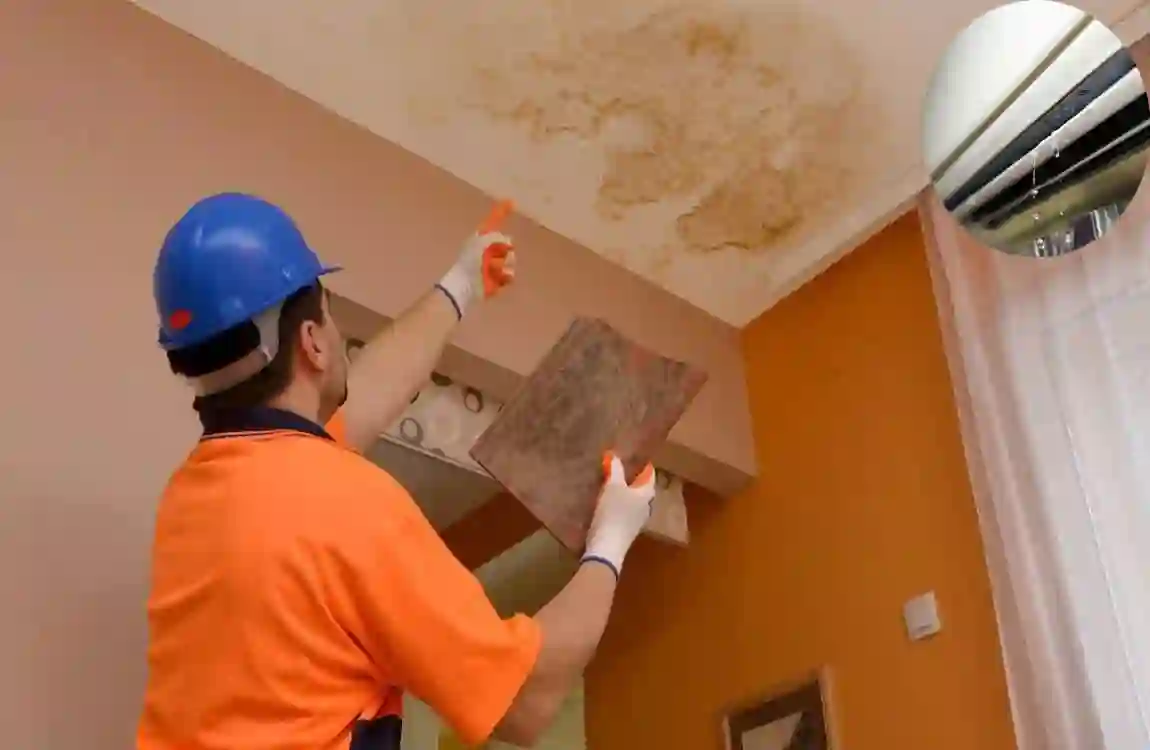
Before you can fix the issue, you first need to understand why your a/c is leaking water in the house. Your air conditioner naturally creates condensation as it removes humidity from the air. Normally, that water drains safely outside through a condensate line.
When something interrupts that drainage process, water backs up and leaks into your home.
Clogged Condensate Drain Line
A clogged drain line is the most common reason for an indoor AC leak.
Dust, dirt, mold, algae, and debris accumulate inside the drainpipe over time. Eventually, the blockage stops water from draining outside. Once the water has nowhere to go, it backs up into the drain pan and spills over.
Signs of a clogged drain line include:
- Water is pooling around the indoor unit
- Musty smell near vents
- AC shutting off unexpectedly
- Visible mold near the drain line
Dirty Air Filters
A dirty air filter may seem minor, but it can create serious airflow problems.
When airflow is restricted, the evaporator coil can get too cold and freeze. Once that ice melts, it can overwhelm the drain pan and create a leak.
Symptoms include:
- Weak airflow from vents
- AC running longer than normal
- Ice buildup around the unit
- Higher electric bills
Low Refrigerant Levels
Low refrigerant reduces pressure inside your AC system. That pressure drop can make the evaporator coil freeze.
When frozen coils thaw, they release excess water, often causing your AC to leak into the house.
Watch for:
- Warm air from vents
- Hissing noises
- Ice on refrigerant lines
- Longer cooling cycles
Broken Condensate Pump
Some homes use a condensate pump to remove water from the AC system, especially when the AC is in a basement.
If the pump fails, water collects and overflows indoors.
Poor Insulation on Refrigerant Lines
If refrigerant lines lose insulation, warm air contacts the cold pipe surface, causing condensation.
This “sweating” can drip water onto floors and walls.
Frozen Evaporator Coils
Frozen coils happen when:
- Airflow is restricted
- Refrigerant is low
- Thermostat settings are too cold
When coils thaw, excess melting water often leaks indoors.
Rusted or Overflowing Drain Pan
Older AC units often have rusted drain pans.
Cracks or holes allow water to leak before reaching the drain line.
Diagnostic Table for Quick Troubleshooting
SymptomLikely CauseQuick Test
There is a water puddle below the AC—due to a clogged drain line. Inspect the drain pipe for blockage.
Ice on coils, dirty filter/low refrigerant, check airflow and filter
Dripping from the pipe, bad insulation, feel for sweating refrigerant lines
Overflowing pan, Rusted drain pan. Inspect the pan for cracks
No draining outside the broken pump. Listen for pump operation.
Dangers of Ignoring A/C Leaking Water in the House
Ignoring an a/c leak in the house may seem harmless at first, but water damage escalates quickly.
Structural Damage to Your Home
Water can ruin:
- Hardwood floors
- Carpets
- Drywall
- Ceiling tiles
- Furniture
Even a slow leak can create thousands of dollars in repairs.
Mold and Mildew Growth
Moisture creates the perfect environment for mold.
Mold can start growing in 24–48 hours, especially in humid areas.
Health risks include:
- Allergies
- Respiratory issues
- Skin irritation
- Asthma flare-ups
Higher Energy Bills
A leaking AC often means your system is not running efficiently.
This can increase cooling costs by 20% or more.
Complete AC Breakdown
Minor leaks often lead to major mechanical failures if ignored.
Repair costs may range from:
Problem Average Repair Cost
Drain cleaning $75–$250
Refrigerant recharge $200–$600
Coil replacement $600–$2,000
Full AC replacement $3,000–$8,000
Essential Tools for Fixing A/C Leaking Water in the House
Before you start repairs, gather your tools.
DIY AC Leak Repair Kit
You will need:
- Wet/dry vacuum
- Bucket
- Vinegar or bleach solution
- Replacement air filter
- Foam insulation tape
- Screwdriver set
- Gloves
- Safety goggles
- Flashlight
- Clean cloths
Most homeowners can build this kit for under $50.
Unclog the Drain Line
The drain line is often the main culprit behind an a/c leaking water in the house.
Step-by-Step Instructions
Turn Off Power
Always shut off your AC before working.
Locate the Drain Line
Find the white PVC pipe near your outdoor condenser.
Use a Wet/Dry Vacuum
Attach the vacuum hose to the pipe opening.
Seal it tightly.
Run the vacuum for 2–3 minutes to suck out the clog.
Flush With Vinegar
Pour 1 cup of vinegar down the drain.
Wait 30 minutes.
Flush with warm water.
Why This Works
This removes:
- Algae
- Dirt
- Mold
- Debris
Estimated Time: 15 minutes
Success Rate: Fixes nearly 60% of AC leaks
Replace Dirty Air Filter
Dirty filters are one of the easiest fixes.
How to Check the Filter
Pull the filter from the return vent or the indoor handler.
Hold it to the light.
If you cannot see through it, replace it.
Install New Filter
Choose the correct size.
Insert airflow arrow pointing toward the unit.
Airflow Impact Table
Filter Condition Airflow Quality Leak Risk
Clean Excellent Low
Slightly Dirty Moderate Medium
Clogged Poor High
Replacement Schedule
Replace every:
- 30 days in summer
- 60–90 days in mild seasons
Defrost Frozen Coils
Frozen coils often trigger water leaks when thawing.
Steps to Defrost
Turn Off Cooling
Switch the thermostat to OFF.
Turn Fan On
Run fan-only Mode for 2 hours.
Wait for the ice to melt.
Let coils thaw naturally.
Dry Excess Water
Use towels around the unit.
Inspect and Fix Condensate Pump
If your system uses a pump, inspect it.
Test the Pump
Listen for humming.
No sound may mean failure.
Clean Pump
Remove debris from the reservoir.
Flush with warm water.
Replace If Necessary
New pump cost:
- $30–$100
Recharge Refrigerant (Professional Recommended)
Low refrigerant often causes frozen coils.
Warning
Refrigerant handling requires certification.
DIY recharging can be dangerous.
Signs You Need Refrigerant
- Warm air from vents
- Ice buildup
- Hissing sounds
- AC runs nonstop
Leak Test
Use soap solution on visible line joints.
Bubbles indicate a leak.
Recommendation
Call HVAC professionals for refrigerant issues.
Insulate Refrigerant Lines
Sweating pipes can mimic an a/c leaking water in the house.
Steps
Inspect Copper Lines
Look for exposed bare pipe.
Wrap With Foam Insulation
Use foam pipe wrap.
Seal with insulation tape.
Benefits
Proper insulation:
- Stops condensation
- Improves efficiency
- Prevents dripping
Clean or Replace Drain Pan
Drain pans wear out over time.
Inspect Pan
Look for:
- Rust
- Holes
- Cracks
Seal Small Cracks
Use waterproof silicone sealant.
Replace Severe Damage
Upgrade to PVC pan if needed.
PVC lasts longer than metal.
Prevention Tips: Stop A/C Leaking Water in the House Forever
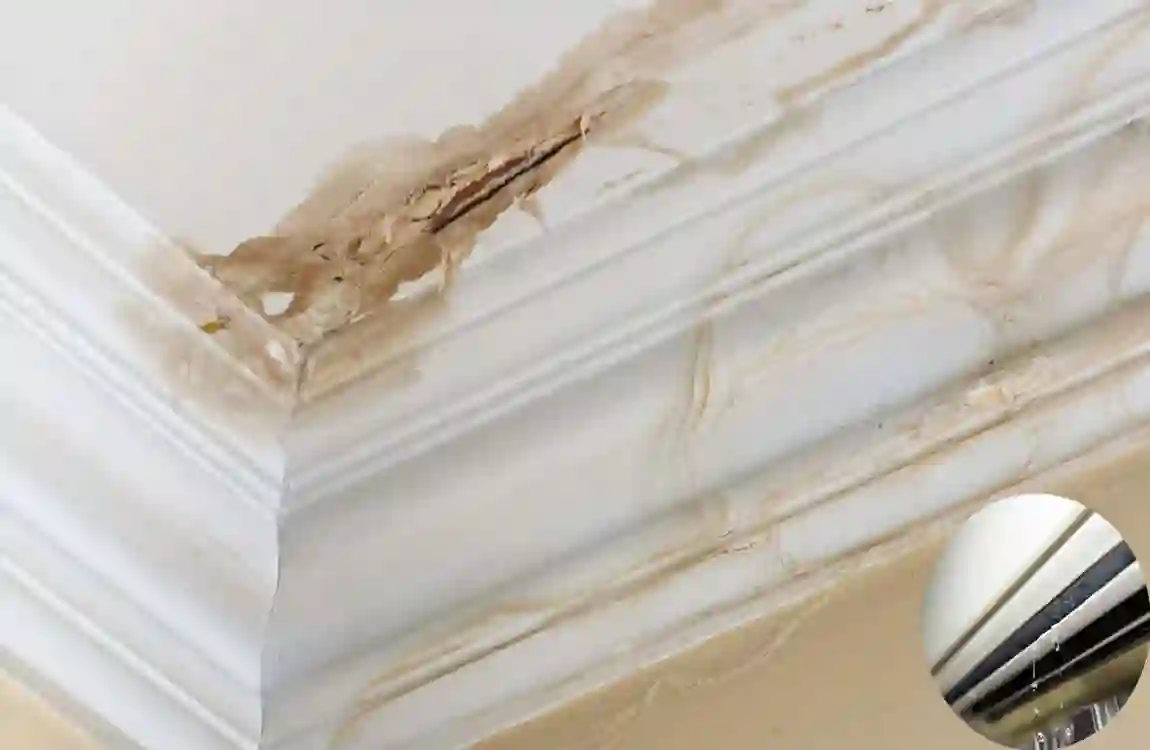
Preventive maintenance saves money.
Change Filters Monthly
Clean filters keep airflow steady.
Clean Drain Line Regularly
Flush vinegar every 30 days.
Schedule Annual Tune-Ups
Professional maintenance catches hidden issues early.
Keep Humidity Low
Maintain indoor humidity below 60%.
Use:
- Dehumidifiers
- Exhaust fans
- Ventilation
When DIY Fails: Call HVAC Experts
Sometimes the problem needs professional help.
Call a technician if:
- Leak continues after repairs
- Refrigerant is low
- Coils repeatedly freeze
- Electrical issues appear
- AC stops cooling completely
Professional HVAC inspections can prevent major breakdowns.
Frequently Asked Questions About A/C Leaking Water in the House
Why is my a/c suddenly leaking water in the house?
Sudden leaks usually happen because of:
- Drain clogs
- Frozen coils
- Dirty filters
How much damage can an AC leak cause?
Water damage repairs can cost $500–$1,000+, depending on the affected flooring and walls.
Can I use bleach to unclog the AC drain line?
Yes, but dilute it first.
Mix:
- 1 part bleach
- 3 parts water
Is AC leaking dangerous?
Yes. It can cause:
- Mold
- Electrical hazards
- Structural damage
