

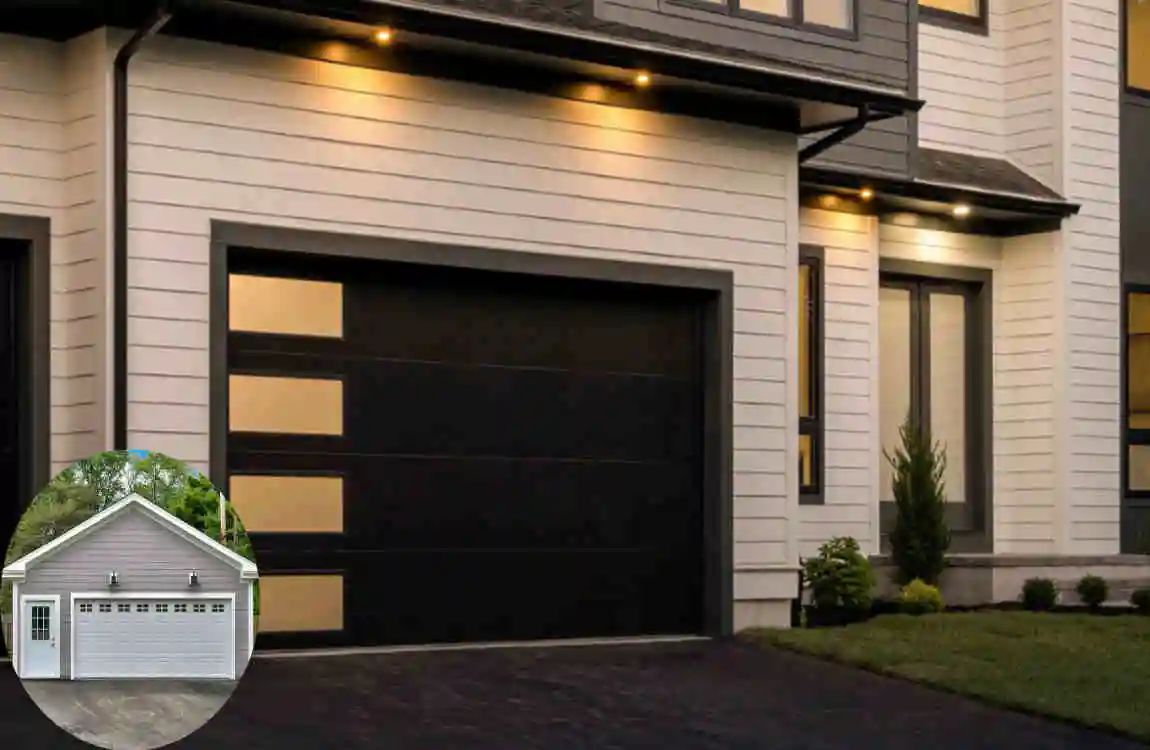
Garage doors are more than just an entryway for your car—they’re a key part of your home’s curb appeal, security, and functionality. If you’re renovating or building a new garage, you’ve probably asked yourself: How tall are garage doors? You’re not alone! According to industry stats, 90% of homes use garage doors that are 7 to 8 feet high—but is that the right fit for you?
| Door Type | Common Height | Best For |
|---|---|---|
| Single | 7-8 ft | Cars/SUVs |
| Double | 7-8 ft | 2 Vehicles |
| Custom | 9-16 ft | RVs/Trucks |
Standard Garage Door Heights Explained
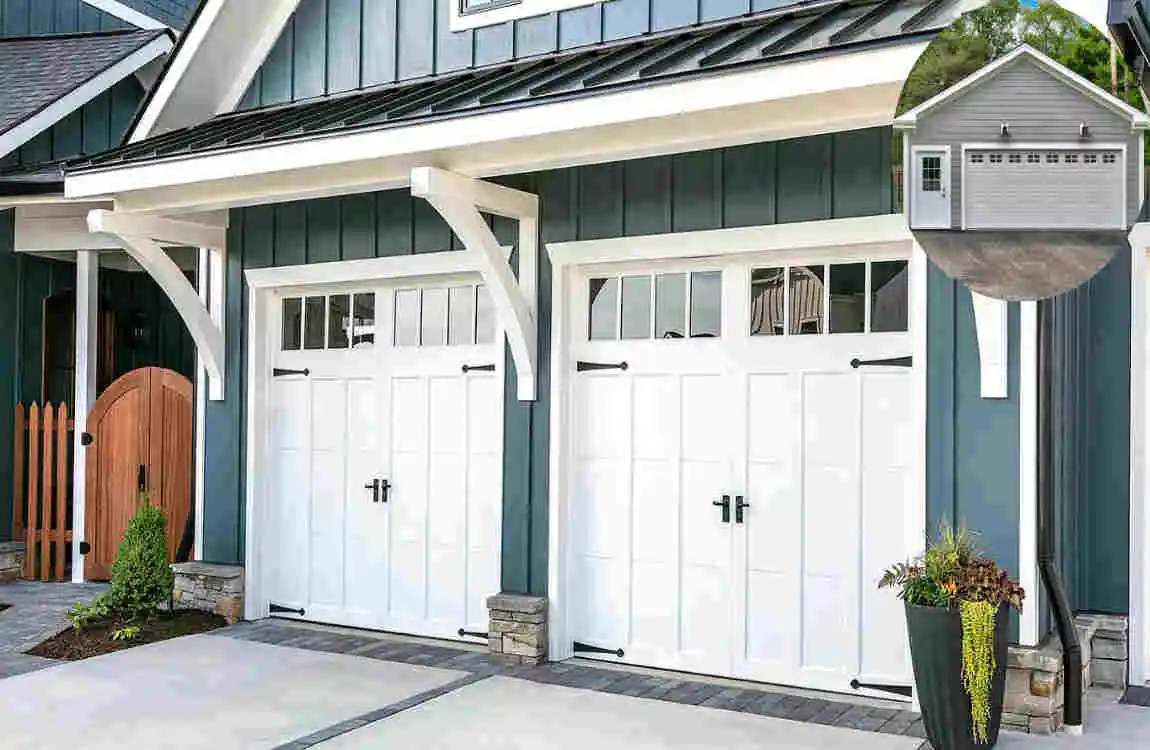
One of the first questions homeowners ask is, “What is the standard garage door height?” The answer depends on where you live, the type of garage you have, and what you need to park inside.
Standard Heights in the US and UK
In the United States, the most common garage door height is 7 feet. This size works for most cars, SUVs, and even some smaller trucks. Single doors are usually 8 to 10 feet wide, while double doors stretch up to 16 feet wide but stay within the same height range.
In the UK, standards are a bit different, with most garage doors falling between 6’6” and 7’0” high. These slightly shorter doors reflect the smaller vehicle sizes and different building codes often found in Europe.
Types of Garage Doors and Their Dimensions
- Single Garage Doors:
- Width: 8-10 feet
- Height: 7-8 feet
- Best for: One car or SUV
- Double Garage Doors:
- Width: 16 feet
- Height: 7-8 feet
- Best for: Two cars or a car and an SUV
- RV/Oversized Garage Doors:
- Width: 12-16 feet
- Height: 12-16 feet
- Best for: RVs, large trucks, or lifted vehicles
Factors Affecting Garage Door Height Choices
Every garage and homeowner is different. When it comes to how tall are garage doors, several factors can affect which height you should choose. Let’s walk through the key considerations.
Vehicle Clearance
The size of your vehicle matters most. If you drive a standard car, a 7-foot-tall door will usually do. But if you have a large SUV, lifted truck, or plan to park an RV, you may need a door 8 feet or taller. Measure your vehicle’s height, including roof racks or accessories, and add at least 6 inches for comfortable clearance.
Ceiling Height in Renovations
If you’re renovating an existing garage, the height of your garage ceiling can limit your door options. Make sure to measure from the floor to the ceiling at several points. You’ll need to fit the door, tracks, and opener—so having at least a foot of extra space above the opening is important.
Insulation and Weatherproofing
Adding insulation or weatherproofing layers can increase the effective thickness and sometimes the height needed for the door and its hardware. This can add 1-2 inches to your clearance needs.
Local Building Codes and Climate
Some areas, especially those prone to hurricanes, tornadoes, or heavy snow, have stricter building codes for garage doors. These may dictate a minimum or maximum height, or require reinforced doors that take up more space.
| Factor | Impact on Height | Renovation Tip |
|---|---|---|
| Vehicles | +1 ft for trucks | Measure tallest car |
| Insulation | +2 inches | Opt for sectional door |
| Codes | Varies by region | Consult professionals |
How to Measure Your Garage Door Opening
Before you even ask, “How tall are garage doors for my home?”—you need to measure your current opening accurately. This ensures your new door fits perfectly and operates safely.
Step-by-Step Measuring Guide
Measure the Width:
- Measure across the opening at the top, middle, and bottom.
- Use the smallest measurement for accuracy.
Measure the Height:
- Start from the garage floor, measure up to the bottom of the lintel (the horizontal support above the opening).
- Measure both sides and the center, and use the smallest number.
Check the Side Room:
- Measure the space on both sides of the opening (for tracks and hardware). Aim for at least 3.5 inches on each side.
Measure the Headroom:
- Measure from the top of the door opening to the ceiling.
- Most standard doors need 12-15 inches, but some hardware can work with as little as 9 inches.
Backroom Clearances:
- Measure from the garage door opening back to the rear wall.
- You’ll need door height plus 18 inches (or more for garage door openers).
Measuring Checklist
- Use a sturdy tape measure.
- Double-check all numbers.
- Write everything down before shoppin
Custom vs. Standard Sizes for Renovations
Now that you know how to measure and what affects your choices, you’ll need to decide between standard and custom garage doors. Both have their place in renovations.
| Type | Height Range | Cost | Renovation Fit |
|---|---|---|---|
| Standard | 7-8 ft | $800-$1,500 | Budget/family homes |
| Custom | 10-16 ft | $2,000+ | Luxury/RV/unique |
Pros and Cons of Standard Sizes
Pros:
- Readily available in most stores.
- Lower cost and faster installation.
- Easier to find replacement parts.
Cons:
- Limited to common vehicle sizes.
- Might not suit RVs, tall trucks, or unique builds.
Pros and Cons of Custom Sizes
Pros:
- Perfect fit for any vehicle or architectural style.
- Ideal for home additions, tall ceilings, or unique designs.
- Boosts curb appeal and home value.
Cons:
- Higher price (sometimes double or more).
- Longer wait for manufacturing and delivery.
- May need special installation.
Material Choices
- Steel: Durable, low-maintenance, good for insulation.
- Wood: Classic look, great for custom designs, higher upkeep.
- Composite/Fiberglass: Lightweight and weather-resistant.
Costs and Installation Tips
Budgeting for a garage door project is crucial. Here’s what you need to know about tall garage doors cost in renovations and how to keep your install smooth.
Average Costs
- Standard 7-ft door (installed): $1,000 (can range $800-$1,500)
- 8-ft or oversize door: $1,200-$2,500
- Custom 10-16 ft door: $2,000 and up
Installation Tips
- DIY Measuring, Pro Installation:
Take your own measurements, but always have a professional handle the install. Garage doors are heavy, and springs can be dangerous. - Energy-Efficient Upgrades:
A well-insulated, taller door can save you up to 20% on heating and cooling bills. Look for doors with high R-values and weather seals. - Permits and Codes:
Double-check if your renovation requires a permit. Some municipalities are strict about door size and wind resistance.
Saving Money
- Buy during off-seasons or holiday sales.
- Ask about package deals if replacing the opener too.
- Compare at least three quotes from local dealers.
Common Mistakes & Renovation
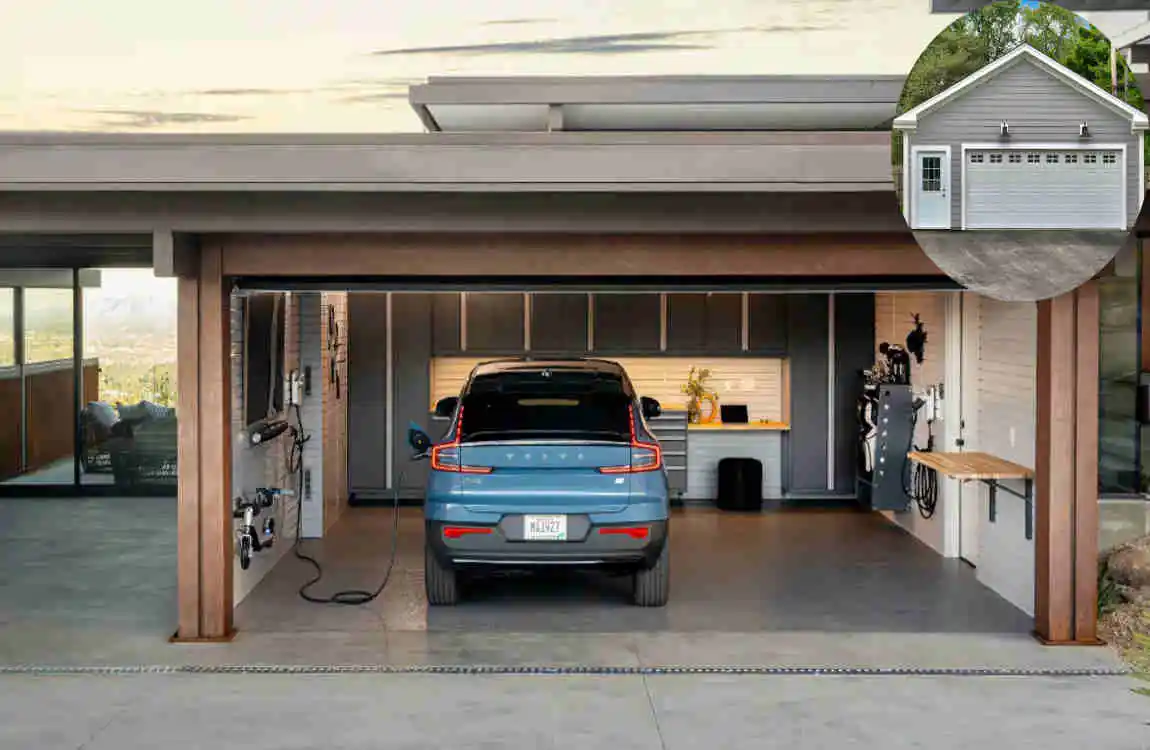
Even seasoned DIYers make mistakes when it comes to garage doors. Here’s what to watch out for—and quick answers to your top questions.
Common Mistakes
- Ignoring Headroom:
Nearly 30% of failed installs happen because there’s not enough space above the opening for tracks or the opener. - Wrong Size for Vehicles:
Upgrading to an EV or a larger SUV? Double-check those measurements. Newer vehicles are often taller than older models. - Forgetting Insulation:
A non-insulated door can make your garage freezing in winter and boiling in summer.
