

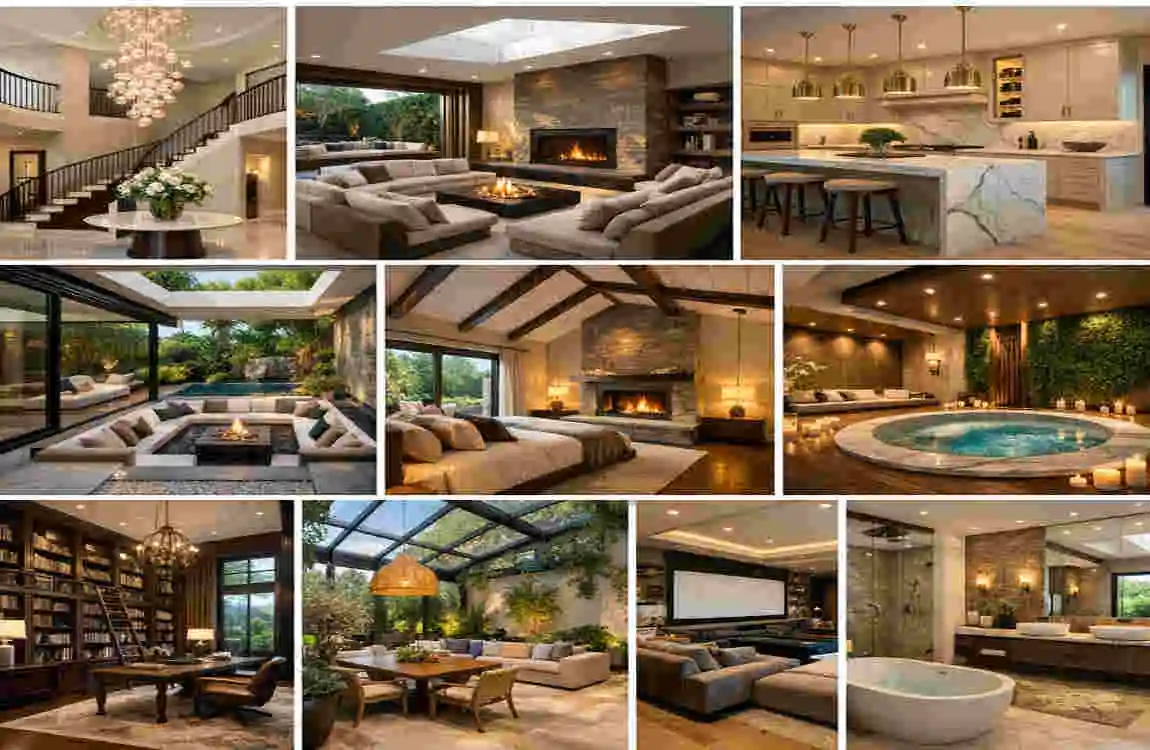
Imagine walking through your front door after a long, exhausting day. You drop your keys in a designated bowl, the lights automatically dim to a warm glow, and you step onto a floor that feels solid and welcoming beneath your feet. You look around, and everything feels right. It feels like you.
Does your current home give you that feeling? Or do you walk in and see clutter, dark corners, and wasted potential?
Building interior design is more than just picking out pretty throw pillows or a trendy paint colour. It is the art and science of enhancing the interior of a building to create a healthier, more aesthetically pleasing environment for those using the space. It’s about functionality, mood, and ultimately, transforming a brick-and-mortar structure into a sanctuary.
Why Building Interior Design Matters for Your Dream Home
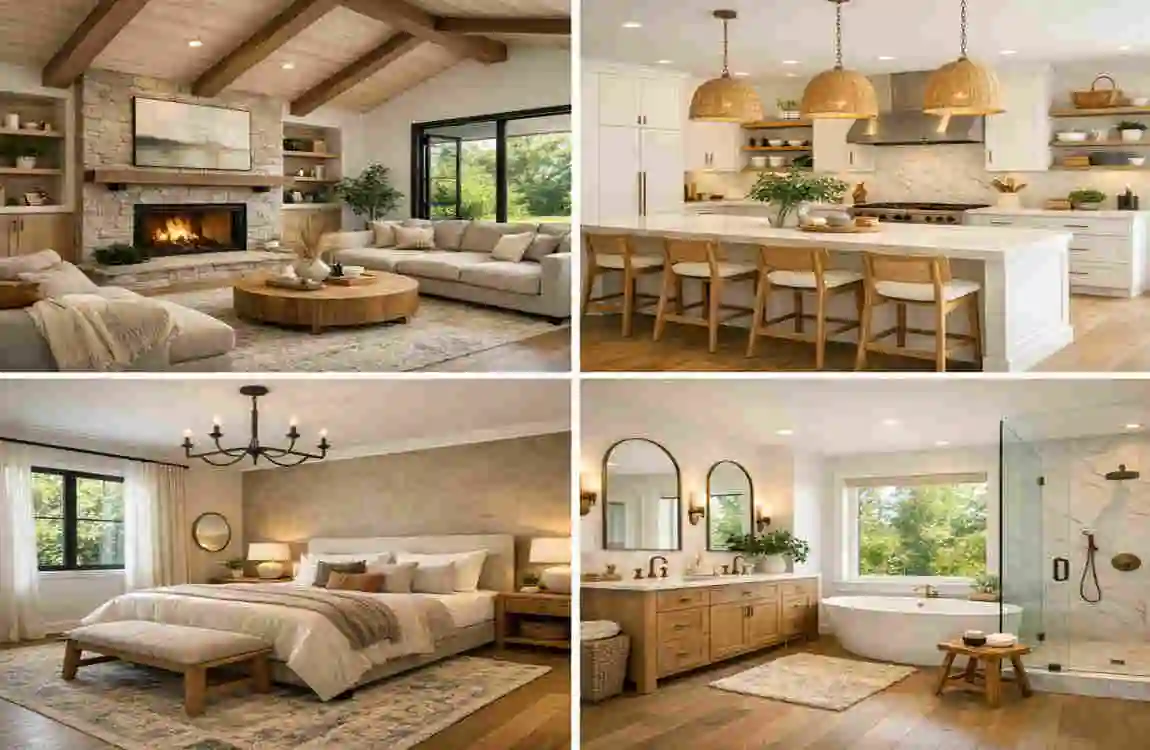
You might think that building interior design is a luxury reserved for the ultra-wealthy, but that couldn’t be further from the truth. At its core, design is about solving problems. It is about taking the space you have and making it work for the life you live.
When you ignore the interior architecture and design, you often end up with rooms that feel disjointed. You might have a beautiful sofa, but if the lighting is harsh and clinical, the room will never feel cosy. You might have a large kitchen, but if the layout forces you to walk a marathon to make a cup of tea, it’s not functional.
The Core Principles of Design
To truly transform a house, we look at four main pillars:
- Space Optimisation: Making every square foot count, ensuring traffic flows smoothly from room to room.
- Lighting: Utilising both natural and artificial light to change the mood and perceived size of a room.
- Materials: Choosing textures and surfaces that are durable, sustainable, and pleasing to the touch.
- Personalisation: Injecting your unique story into the walls.
Perspective
As we move through 2026, the trends are shifting. We are seeing a massive move away from the stark, cold minimalism of the past decade. Instead, interior design is about embracing warmth, sustainability, and “lived-in” luxury.
Why should you care?
- Emotional Well-being: Colour psychology is real. The right design can lower stress levels and boost your mood.
- Functionality: Modern lifestyles are hybrid. Our homes are now offices, gyms, and cinemas. Good design facilitates this.
- Resale Value: A well-designed home is a high-value asset. (Check out our guide on home staging tips for more on this!).
Now, let’s get to the good stuff. Here are 10 actionable ideas you can start planning today.
Open-Plan Layouts for Seamless Flow
Gone are the days of choppy, small rooms where the cook is isolated in the kitchen while the guests sit in the living room. One of the most impactful changes you can make to your building’s interior design is opening up your floor plan.
By removing non-load-bearing walls, you create a sense of airiness and grandeur, even in smaller homes. It allows light to travel from the front of the house to the back, banishing dark corners and making the entire footprint feel larger.
Key Features of Open Living
The secret to a successful open plan is zoning. You don’t want your home to look like a warehouse. You need to define spaces without walls.
- Multi-functional Zones: A kitchen island that doubles as a dining table and a workspace.
- Visual Dividers: Using area rugs to “anchor” the living room furniture, separating it visually from the dining area.
Implementation Steps
- Consult a Structural Engineer: Before you grab a sledgehammer, you must know which walls are holding up the roof. This is critical for safety.
- Unified Flooring: To maintain the flow, use the same flooring material across the entire open area. This tricks the eye into seeing one massive space.
- Glass Partitions: If you need some sound privacy (for a home office, perhaps) but want to keep the light, consider industrial-style glass partitions.
Biophilic Elements to Bring Nature Indoors
In 2026, we are spending more time indoors than ever, so it makes sense that we crave a connection to the outside world. This is where biophilic design comes in. This isn’t just about putting a potted plant in the corner; it is about integrating natural elements into the very fabric of your building’s interior design.
Biophilic design has been scientifically proven to reduce stress, improve cognitive function, and enhance creativity. It creates a calming environment that counters the digital fatigue we all feel.
bringing the Outdoors In
- Living Walls: Consider dedicating a vertical section of a wall to a self-contained vertical garden. It acts as a natural air purifier and a stunning art piece.
- Natural Textures: Use raw materials like unpolished wood, bamboo, stone, and rattan. These textures add warmth and a tactile quality that synthetic materials can’t match.
- Water Features: The sound of running water is universally soothing. A small indoor fountain or a water wall in an entryway can set a tranquil tone the moment you walk in.
Trend: Smart Greenery
If you don’t have a green thumb, don’t worry. The latest trend in building interior design involves smart planters. These sleek devices come with automated watering and lighting systems, ensuring your indoor jungle thrives even if you forget about it for a week.
Case Study: We recently saw a beautiful family home in Lahore that utilised a central courtyard filled with local, heat-resistant greenery. This not only cooled the house naturally but also provided a stunning green view from every room on the ground floor.
Statement Lighting as Focal Points
Lighting is often the most underestimated element in building interior design. Most builders install a few generic flush-mount ceiling lights and call it a day. But if you want a dream home, you need to think of lighting as the “jewellery” of your house.
Great lighting creates depth. It highlights your favourite art, makes your ceilings look higher, and changes the mood from “bright workspace” to “romantic dinner” with the flick of a switch.
The Three Layers of Lighting
To get this right, you need to layer your light sources:
- Ambient Lighting: This is your general light (e.g., recessed ceiling lights) that lets you see where you are walking.
- Task Lighting: Focused light for specific activities, like under-cabinet strips for chopping vegetables or a reading lamp by the armchair.
- Accent Lighting: This is where the drama happens. Use spotlights to highlight a textured wall or a piece of art.
Budget-Friendly Ideas
You don’t need to buy crystal chandeliers to make a statement.
- DIY Pendants: We are seeing creative homeowners make pendant lights out of woven baskets or thrifted vintage glass.
- LED Strips: Inexpensive and versatile. Run them under your kitchen island or behind your TV unit for a modern, floating glow.
Textured Walls and Ceilings for Depth
For a long time, the standard for walls was “smooth and flat.” But flat can feel sterile. To add character and age (even to a new build), you need texture. Building interior design that incorporates tactile surfaces feels more expensive and custom.
Texture catches the light differently throughout the day, creating shadows and interest that paint alone cannot achieve.
Popular Texturing Techniques
- Shiplap and Panelling: While the “farmhouse” look is evolving, vertical shiplap or geometric wood panelling remains a fantastic way to add architectural interest to a plain boxy room.
- Exposed Brick: If you have an older property, expose that brick! If not, high-quality brick veneers can mimic the industrial loft look perfectly.
- Wallpaper: It is back in a big way. Look for wallpapers with raised textures—grasscloth is a timeless choice that adds an earthy elegance to bedrooms and home offices.
Trend Alert: Limewash Paint
One of the biggest trends for 2026 is limewash paint. This creates a chalky, nuanced texture that looks almost like suede on the walls. It creates a soft, cloudy movement that feels ancient yet incredibly modern. It’s eco-friendly and breathable, making it a great choice for humid climates.
Application: Don’t feel the need to do every wall. Choose one “accent wall” in a high-traffic area, such as the wall behind your bed or the wall where your TV is, as the visual anchor.
Custom Millwork and Built-Ins
Nothing screams “luxury custom home” quite like built-in cabinetry. When furniture is built into the building’s interior design, it makes the house feel sturdy and permanent.
Custom millwork is also the ultimate clutter-killer. It allows you to utilise awkward niches and corners that standard furniture wouldn’t fit into.
Advantages of Built-Ins
- Maximise Space: Floor-to-ceiling bookshelves or wardrobes utilise vertical space that is often wasted.
- Seamless Look: By painting the built-ins the same colour as the walls, they disappear into the room, making the space feel larger rather than crowded.
- Hidden Storage: You can design cabinets specifically for your needs—a drawer for charging cables, a cupboard for the vacuum cleaner, or a hidden bar.
Customisation for Your Climate
If you are living in a region with fluctuating temperatures or humidity (like parts of Pakistan), materials matter. When commissioning custom millwork, ensure you are using humidity-resistant engineered woods or sealed hardwoods to prevent warping over time.
Inspiration: Consider a “hidden” home office. A closet with bi-fold doors can house a desk and shelves. When you are done working, you close the doors, and the office disappears—perfect for maintaining work-life balance.
Bold Colour Blocking for Personality
If you are tired of fifty shades of beige, this building interior design idea is for you. Colour blocking involves pairing contrasting colours in solid blocks to create a bold, graphic look.
It is a fantastic way to define zones in an open-plan house without building walls. For example, paint the dining corner a deep terracotta while keeping the rest of the living area a soft cream.
Tips for Your Palette
- The 60-30-10 Rule: Keep 60% of the room neutral as a base, use 30% for a secondary colour (perhaps a soft blue or green), and use 10% for a bold accent colour (like mustard yellow or emerald green).
- Earth Tones + Jewel Tones: A very popular combination in 2026 is grounding earth tones (sandy browns, clays), popped with rich jewel tones.
A Cultural Twist
For our readers in South Asia, this is a great opportunity to incorporate local aesthetics. You can use colours inspired by local spices—turmeric yellows, chilli reds—paired with modern neutrals. You might paint an archway in a bold colour to highlight traditional architectural features.
Beginner Guide: Start small. You don’t have to paint a whole room. Try painting just the lower half of a wall (wainscoting height) in a darker colour, and the top half in a lighter colour. This grounds the room and makes the ceilings look higher.
Multi-Functional Furniture Hacks
As our cities get denser and homes often get smaller, building interior design must focus on efficiency. Multi-functional furniture is the superhero of the modern home. It allows a room to change its identity based on the time of day.
This isn’t just about saving space; it’s about smart living. Why have a guest room that sits empty 350 days a year when it could be a daily yoga studio?
Space-Saving Heroes
- Murphy Beds: These have come a long way from the creaky fold-outs of the past. Modern wall beds are sleek, comfortable, and often include built-in sofas or desks when folded up.
- Modular Sofas: These can be rearranged. Tonight it’s a long movie-night lounger; tomorrow it’s separated into individual seating for a tea party.
- Ottomans with Storage: Never buy a footstool that doesn’t open up. It’s the perfect place to hide blankets, toys, or magazines.
Trend: Upcycled Sustainability
A massive trend in building interior design right now is finding old, high-quality furniture and repurposing it. An old sturdy dresser can be fitted with a sink to become a unique bathroom vanity. This adds history and soul to your home while keeping waste out of landfills.
Smart Tech Integration
We are living in the future, and your home should reflect that. However, the goal of smart building interior design isn’t to make your house look like a spaceship. The goal is “invisible tech.”
You want the convenience of technology without the clutter of wires and black plastic boxes.
Must-Have Smart Integrations
- Smart Lighting: bulbs that change temperature (cool for working, warm for relaxing) based on the time of day, controlled via voice or phone.
- Automated Blinds: These can be programmed to open with the sunrise and close at dusk, helping to regulate your home’s temperature naturally.
- Hidden Audio: Speakers can now be plastered into walls or hidden behind art, providing surround sound without visible equipment.
Future-Proofing
If you are building or renovating now, think about the wiring. Ensure you have neutral wires in your switch boxes (required for many smart switches) and CAT6 ethernet cables running to key rooms (TV areas, offices). Wi-Fi is great, but hardwired connections are faster and more reliable for 2026’s bandwidth-heavy AI home systems.
Privacy Focus: Design your tech placement thoughtfully. Keep smart cameras out of private areas like bedrooms and focus them on entry points instead.
Luxe Flooring Upgrades
The floor is the largest surface in your room. If the floor looks cheap, the room looks cheap, no matter how nice the furniture is. Upgrading your flooring is one of the most transformative building interior design decisions you can make.
Top Contenders
- Wide-Plank Hardwood: This is the gold standard. Wide planks make a room feel larger and more modern than thin strips.
- Luxury Vinyl Tile (LVT): Don’t turn your nose up at vinyl! Modern LVT can mimic wood or stone almost perfectly. It is waterproof, scratch-resistant, and much softer underfoot than tile, making it perfect for families with kids or pets.
- Large Format Tiles: If you prefer stone or ceramic, go big. Fewer grout lines mean a cleaner, more seamless look that mimics high-end hotel lobbies.
Artisanal Accents and Personal Touches
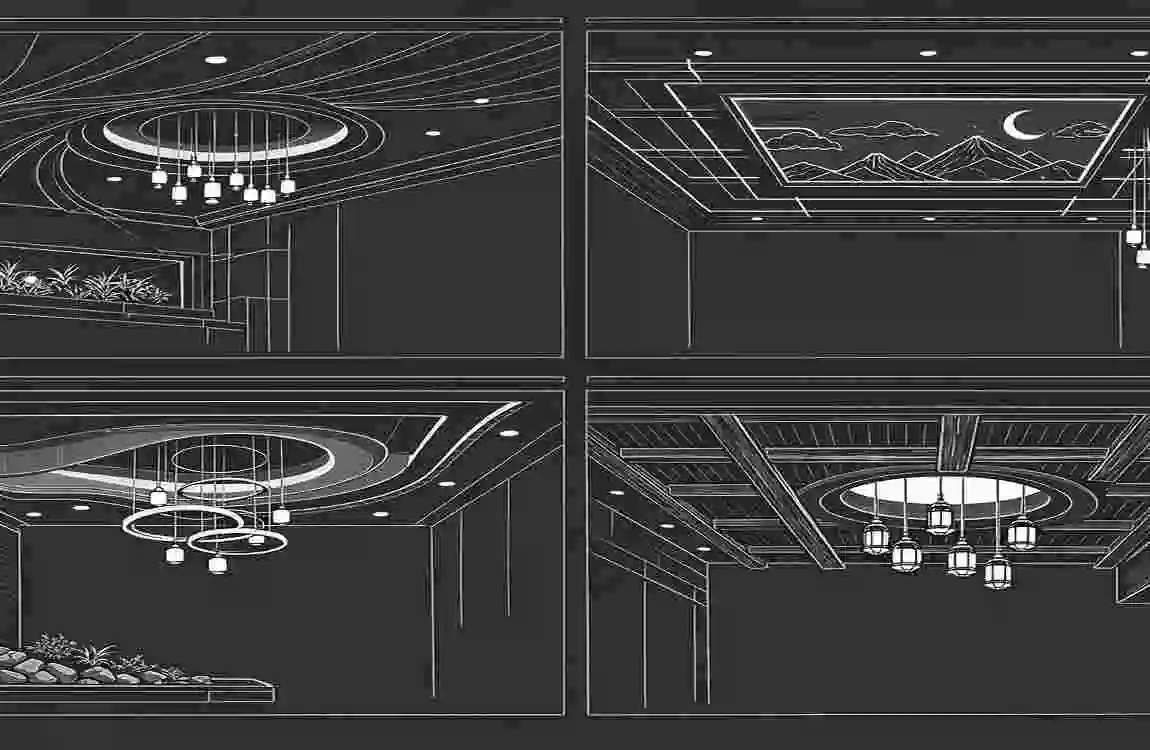
Finally, the element that truly turns a house into a dream home is you. Building interior design can sometimes feel a bit “catalogue” when everything is brand-new and mass-produced.
You need items that show the maker’s hand. Imperfection is beautiful. It adds soul.
Curating Your Gallery
- Gallery Walls: create a collection of art that means something to you. Mix family photos with framed children’s drawings, travel souvenirs, and pieces from local artists.
- Handmade Ceramics: Display a bowl hand-thrown by a local potter on your coffee table. The irregular shape and glaze add a layer of texture that factory-made items lack.
- Local Sourcing: For those in Lahore or wider Pakistan, you have access to some of the world’s best craftsmanship. Incorporate hand-knotted rugs, carved luxury wood work details, or brass handicrafts.
Quick Comparison: Where to Spend Your Budget
Design IdeaCost LevelImpact LevelBest For…
Open-Plan Layout High High Transforming old/dark homes
Lighting Upgrade Low – Med Very High Immediate mood change
Paint/Colour Blocking Low High DIY enthusiasts
Custom Millwork High High Storage & luxury feel
Plants/Biophilic Low Medium Mental health & vibes
FAQs
What is building interior design? Building interior design is the science and art of enhancing a building’s interior. It involves spatial planning, lighting, materials, and aesthetics to improve functionality, safety, and the occupants’ quality of life, going beyond simple decoration.
How much does building interior design cost in Pakistan? Costs vary wildly based on scope. For 2026, consultation fees can range from PKR 50,000 to PKR 200,000+. Full renovations can cost anywhere from PKR 2,500 to PKR 5,000+ per square foot, depending on the quality of materials (luxury finishes versus standard).
What are the top building interior design trends for 2026? Top trends include biophilic design (plants/nature), sustainable materials (limewash, reclaimed wood), smart home integration (hidden tech), and warm, earthy colour palettes. The focus is on creating “lived-in” luxury and wellness-centred spaces.
Does interior design increase property value? Yes. Strategic interior design, especially kitchen and bath upgrades, lighting, and layout improvements, can significantly increase a home’s market value and reduce the time it sits on the market.
Can I do interior design for buildings myself? Absolutely. Many cosmetic upgrades, such as painting, lighting changes, and furnishings, can be DIY. However, for structural changes (moving walls) or complex electrical/plumbing work, hiring professionals is essential for safety and compliance.
